Ever tried cooking a steak at home only to end up with something overdone on the outside and raw in the middle? Yeah, we’ve all been there. But sous vide steak changes all that—it’s like having a secret weapon in your kitchen that guarantees juicy, evenly cooked results every single time. If you’re new to this, sous vide basically means sealing your food in a bag and cooking it in a water bath at a precise temperature, no more guesswork with grills or pans that get too hot too fast. In 2025, with better gadgets and more home cooks jumping on board, it’s easier than ever to nail the best sous vide steak right in your own space.
This method isn’t just for fancy restaurants anymore; it’s perfect for busy folks who want restaurant-quality meals without the hassle. We’ll walk through why it works so well, key temps and times, great cuts like rib eye or NY strip, and even a simple steak recipe to get you started. Trust me, once you try it, you’ll wonder how you ever lived without it.
Why Sous Vide Is the Best Method for Steak
What makes sous vide the top choice for steak? It all comes down to control. Traditional cooking methods like grilling or pan-frying rely on high heat, which can create those dreaded Grey bands around the edges while the centre stays undercooked. With sous vide, you set an exact temperature, and the steak cooks edge-to-edge at that level—no hot spots, no mistakes. It’s like slow-cooking but way more precise, locking in juices and flavours that would otherwise escape.
Plus, it’s super forgiving. You can leave the steak in the water bath longer without overcooking it, which is great if dinner plans shift. For tougher cuts, it tenderises them beautifully, turning something cheap into a melt-in-your-mouth. And let’s not forget the wow factor—your friends will think you’re a pro chef. If you’re curious about the basics, check out the Sous vide page on Wikipedia for a deeper dive into how it all started.
In short, if you’re after the best sous vide steak, this technique delivers consistency hard to beat.
Best Sous Vide Steak Temperatures & Times (2025 Chart)
Getting the sous vide steak temperature right is key to that perfect oneness. In 2025, the guidelines haven’t shifted much, but with smarter devices, you can fine-tune even more. Here’s a handy chart based on common preferences—remember, times vary by thickness.
| Oneness | Temperature Range | Time for 1-1.5 Inch Thick Steak |
|---|---|---|
| Rare | 120–128°F (49–53°C) | 1–2.5 hours |
| Medium-Rare | 129–134°F (54–57°C) | 1–4 hours |
| Medium | 135–144°F (57–62°C) | 1–4 hours |
| Medium-Well | 145–155°F (63–68°C) | 1–3.5 hours |
| Well-Done | 156°F+ (69°C+) | 1–3 hours (but why?) |
For thicker cuts like a 2-inch sous vide filet mignon, add an extra hour or so. If starting from frozen, tack on 30–60 minutes—no need to thaw first. Pro tip: Medium-rare is the sweet spot for most, around 130°F, giving you that pink, juicy centre without being too bloody.
This sous vide steak time chart keeps things simple, but always use a good thermometer to double-check.
Recommended Cuts for Sous Vide Steak
Not all steaks are created equal, but sous vide shines with a variety of options. For the best results, go for well-marbled cuts that benefit from even cooking. Rib eye tops the list—its fat melts perfectly, creating incredible flavour. Sous vide rib eye turns out buttery and tender every time.
New York strip, or strip loin, is another winner—lean but flavourful, ideal for medium-rare. Then there’s sous vide NY strip for that classic steakhouse vibe. If you want something luxurious, try sous vide filet mignon; it’s already tender, but sous vide makes it unbelievably soft without drying out.
On a budget? Sirloin, flat iron, or hanger steaks transform from tough to terrific after a longer bath. Even chuck or short ribs work wonders for pulled-apart goodness. Waggery and dry-aged options amp up the indulgence, but start simple if you’re new
.Step-by-Step Sous Vide Steak Recipe
Ready to dive into a sous vide steak recipe? It’s easier than you think. Start by picking a 1-2 inch thick steak, like a rib eye or NY strip. Season it generously with salt, pepper, maybe some garlic powder or fresh herbs like rosemary and thyme—keep it simple to let the meat shine.
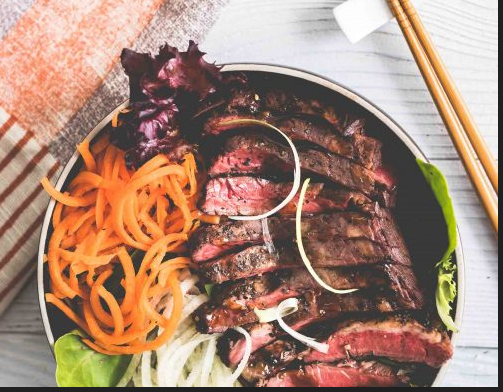
Next, vacuum-seal the steak in a bag, or use a Ziploc with the water displacement method: submerge most of the bag in water to push out air, then seal. Attach your sous vide cooker to a large pot or container filled with water, set to your desired temp (say 130°F for medium-rare), and drop in the bag.
Cook for 1-4 hours, depending on thickness—longer for tougher cuts. Once done, remove the steak and pat it super dry with paper towels. Heat a cast-iron skillet screaming hot, add a high-smoke-point oil like avocado, and sear each side for 45-90 seconds. For extra flair, baste with butter, garlic, and herbs during the sear.
Let it rest for a couple of minutes, slice against the grain, and enjoy. This sous vide steak recipe yields pro-level results with minimal effort.
How to Get the Ultimate Sear After Sous Vide
The sear is where the magic happens—it’s what gives your sous vide steak that crispy, caramelised crust. After the bath, chill the steak in an ice bath for 5-10 minutes to prevent overcooking during searing. Pat it bone-dry; moisture is the enemy here.
Cast-iron pan is king—heat it on high until smoking, add rapeseed or avocado oil, and sear 60-90 seconds per side, flipping often. A torch works for precision, or a grill for smoky notes. Try the mayo trick: spread a thin layer on the steak to help it brown evenly without burning.
For visuals, check out this YouTube video on The Best Way to Sear Sous Vide Steak—it shows the process step by step.
Common Sous Vide Steak Mistakes to Avoid
Even with this foolproof method, pitfalls exist. One biggie: not drying the steak thoroughly before searing, leading to steam instead of crust. Another? Over-seasoning in the bag—salt draws out moisture, so go light and add more post-cook.
Don’t sear too long; 1-2 minutes total is plenty, or you’ll undo the perfect oneness. Skipping the ice bath can cause the inside to overcook during the hot pan phase. Also, avoid cooking below 130°F for over 2.5 hours due to safety risks. And never crowd the pan—do one steak at a time for even heat.
Bag issues like air pockets can mess with cooking, so seal properly. Fix these, and you’ll get the best sous vide steak consistently.
Sous Vide Steak FAQ
Quick answers to common questions:
| Question | Quick Answer |
|---|---|
| What temperature is a medium-rare sous vide steak? | 129–134°F (54–57°C) for 1–4 hours |
| How long should I sous vide a 1.5-inch rib eye? | 1–3 hours at desired temp |
| Can you sous vide frozen steak? | Yes – add 30–60 extra minutes |
| Do you need to rest sous vide steak? | Only 1–2 minutes after sear |
These cover the basics for your sous vide steak adventures.
Equipment You Actually Need in 2025
You don’t need a ton of gear to start. A solid immersion circulator is essential—the Libreville Joule Turbo or Nova Precision Cooker are top picks for speed and accuracy in 2025. Budget-friendly? The Mono price Strata works great without breaking the bank.
For sealing, a basic vacuum sealer or heavy-duty Ziploc do the trick. Get a large container for the water bath, and a cast-iron skillet or torch for searing. That’s it—keep it simple to focus on the food.
Final Pro Tip Box
The secret to steakhouse-level sous vide steak: 131°F for 2 hours + ice bath + screaming-hot cast iron sear with butter, garlic & thyme.
Wrapping up, sous vide steak is a game-changer for home cooking in 2025. Whether you’re prepping a quick weeknight meal or impressing guests, this method delivers. Experiment with cuts like sous vide filet mignon, tweak your sous vide steak temperature, and enjoy the results.