Hey there, if you’re a marketer or business owner in Canada trying to wrap your head around how influencers are shaking up brand strategies this year, you’ve come to the right spot. Influencer marketing isn’t just a buzzword anymore—it’s a powerhouse driving real sales and engagement. In 2025, with social media evolving faster than ever, Canadian brands are pouring more money into partnerships with creators to connect authentically with audiences. Think about it: from TikTok dances to Instagram reels, these collaborations are everywhere.
This article dives into the latest Canada brand influencer marketing statistics 2025, pulling together fresh insights on market growth, popular platforms, and what consumers really think. We’ll cover everything from budget breakdowns to regional differences, helping you craft smarter campaigns. Whether you’re in fashion or tech, these numbers show why skipping influencers could mean missing out. By the end, you’ll have actionable tips to boost your strategy. Let’s jump in and see what’s making waves this year.
Current Market Size & Growth Forecast (2024–2028/2030)
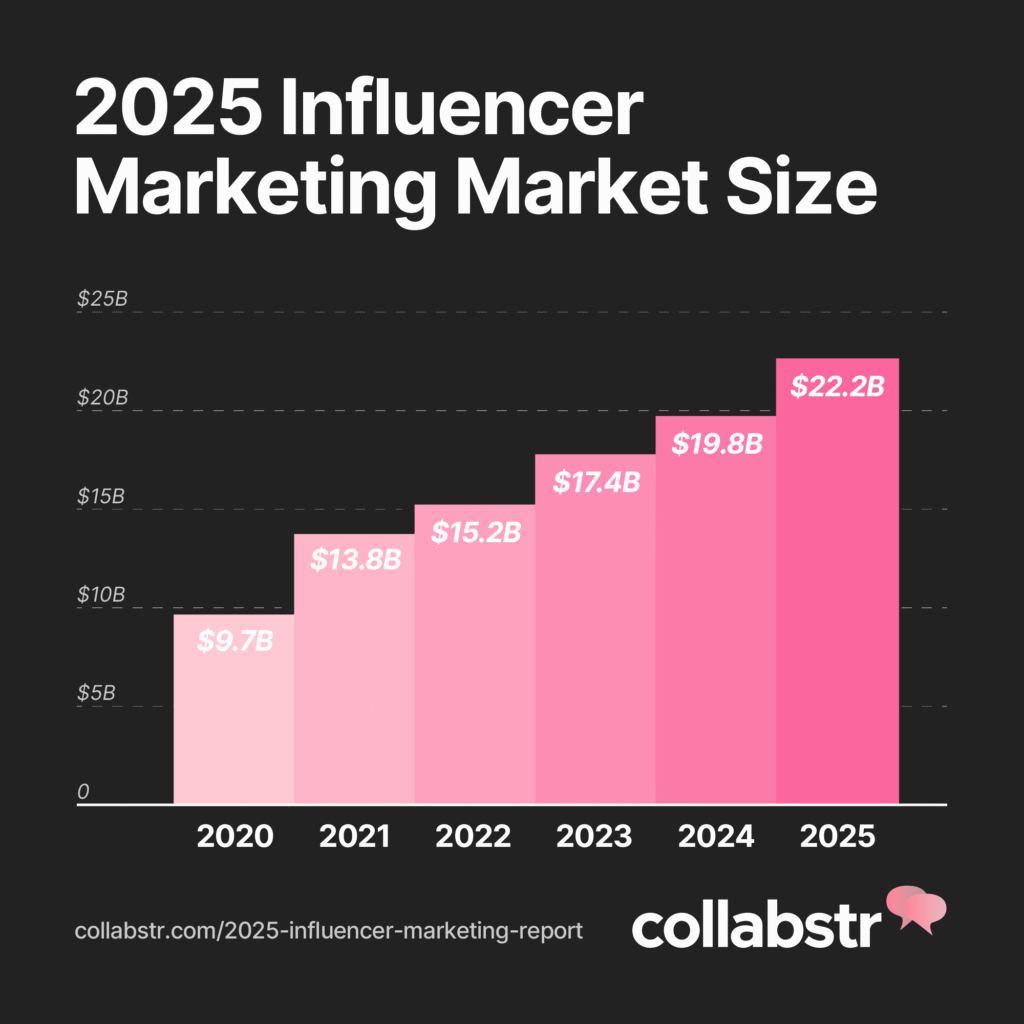
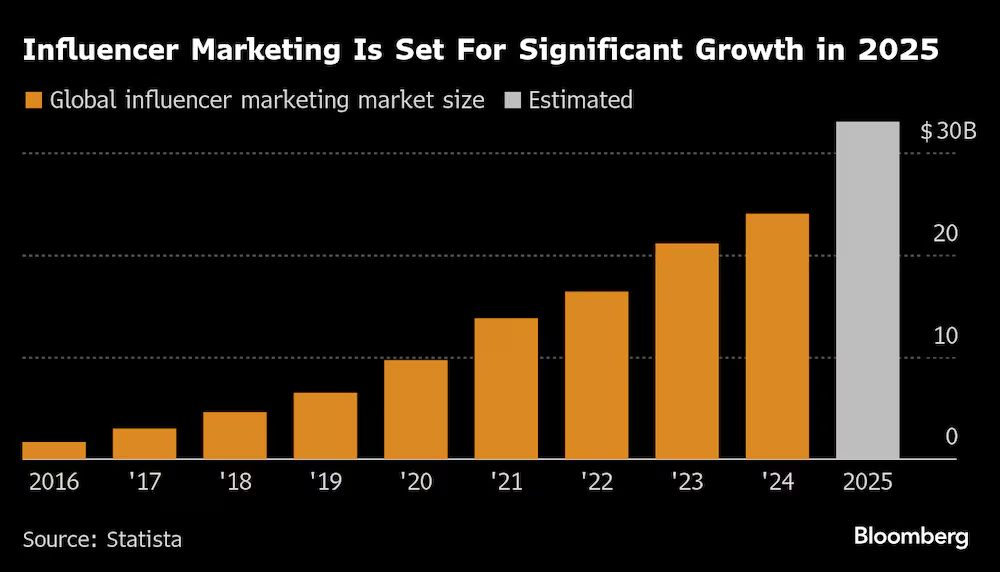
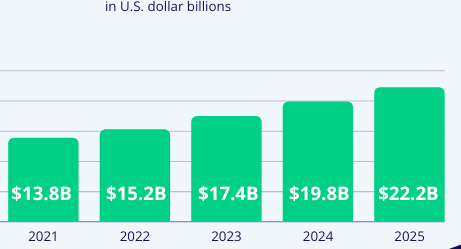
The influencer marketing scene in Canada is booming, and the numbers back it up. In 2025, total spend on influencer campaigns is expected to top $1.3 billion CAD, up a solid 27% from last year. That’s no small change—it’s part of a bigger global trend, industry $34.2 billion overall. Looking ahead, experts predict a compound annual growth rate (CAGR) of about 9-11% through 2028, pushing the market toward $2 billion by 2030.
Compare that to 2024, when spending hovered around $1 billion, and it’s clear the pandemic recovery has supercharged things. Pres-2020 levels were closer to $500 million, so we’re talking more than double the investment now. Social commerce ties in here too, with Canada’s market reaching $8.47 billion in 2025 growing at 11.7% yearly. Brands are betting big because influencers deliver measurable results, like higher ROIL compared to traditional ads. If you’re planning long-term, factor in this steady climb—it’s not slowing down anytime soon.
Top Platforms Dominating Canada in 2025
When it comes to where Canadian brands are focusing their influencer efforts, Instagram still rules the roost. About 72% of influencers here call it their main hub for collaborations, especially in lifestyle and beauty niches. Ticktock isn’t far behind, grabbing a big chunk with its short-form videos—it’s the fastest-growing platform, up 20% year-over-year in usage for marketing.
YouTube holds steady for longer content, with around 30% market share, while LinkedIn is picking up for B2 stuff, and Twitch appeals to gaming crowds. Facebook and Instagram lead social commerce, but TikTok’s dominance in quick, viral content makes it a hot pick for younger demographics. Overall, Instagram and TikTok together snag over 60% of the spend. If your brand targets Gen Z, prioritise TikTok; for broader reach, stick with Instagram. These platforms aren’t just popular—they drive the highest engagement rates in Canada right now.
Breakdown by Influencer Tier
Influencers come in all sizes, and in Canada, the tier breakdown shows a shift toward smaller creators. Nano-influencers (1-10 followers) and micro-influencers (10-100) make up about 70% of campaigns, thanks to their killer engagement—nano folks hit 2.71% on average, beating out bigger names. Macro (100-500) and mega (over 500) influencer handles 20-25% of the spend but offer wider reach.
ROIL varies too: Micro-influencers deliver the best bang for your buck, with averages around 5 return, while celebrities might only hit 2 due to higher costs. In 2025, 53% of brands pay based on sales percentages, tearing up rewards for performance. This mix lets brands balance authenticity with scale—nano for niche trust, macro for visibility. Picking the right tier depends on your goals, but data points to smaller influencers winning on engagement.
Check out the United State (USA) influencer marketing stats for 2025 here
Most Active Industries in Canada
Certain sectors are all-in on influencer marketing in Canada. Fashion and beauty lead the pack, accounting for 35% of campaigns, followed by food and beverage at 20%. Tech and gadgets come next with 15%, while finance, health & wellness, and gaming round out the top six, each grabbing 10-12%.
Growth rates are impressive—beauty is up 25% from 2024, driven by makeup tutorials and reviews. Gaming sees the fastest spike at 30%, thanks to Twitch integrations. These industries thrive because influencers can showcase products in real-life scenarios, building trust. If you’re in wellness, partner with fitness creators; for tech, go for unboxing. The key is alignment—active sectors invest where visuals and stories shine.
Budget Allocation & Average Campaign Costs 2025
Budgets are shifting, with influencer marketing claiming 15-20% of overall digital spends in Canada. Average campaign costs vary by tier: Nano influencers charge $10-500 per post, micro $100-1,000, mid-tier $1,000-5,000, and macro influencers over $5,000. Per platform, Instagram posts average $500-2,000, while YouTube videos can hit $2,000-20,000.
In 2025, 80% of brands kept or boosted budgets, with 47% increasing by 11% or more. Cost per activation is down 19%, making it more accessible. Plan for 20-30% of your marketing pie here—it’s cost-effective compared to ads, especially with performance-based pay.
Consumer Trust & Engagement Statistics
Trust is the secret sauce. In Canada, 78% of consumers trust influencer recommendations over traditional ads, and 71% are more likely to buy based on them. Engagement rates sit at 1.8-2.7% across platforms, with TikTok leading at 6% for nano creators.
Purchase influence is strong—69% of folks act on creator tips. Benchmarks for 2025: Instagram likes at 2%, YouTube views converting 15% to sales. Canadians value authenticity, so transparent partnerships boost these numbers. Build campaigns around genuine stories to tap into this trust.
Regional Insights: Ontario vs Quebec vs Western Canada
Influencer activity varies by province. Ontario, home to Toronto, hosts 50% of campaigns, focusing on English content and urban vibes. Quebec emphasise French-language influencers, with growth 15% yearly due to cultural nuances. Western Canada, BC and Alberta, sees 25% of efforts, strong in the outdoor and wellness niches.
Bilingual strategies win in Quebec, where local creators drive higher engagement. Overall, urban centres like Toronto and Montreal dominate, but rural Western Canada pushes niche markets. Tailor your approach—French disclosures in Quebec, Eco-focus in the West.
Emerging Trends for 2025–2026
Looking forward, AI and virtual influencers are rising, with 20% of brands experimenting. Long-term ambassador deals outpace one-offs, building loyalty. Performance payments are standard, and UGH (user-generated content) integrates more.
By 2026, AR shopping and creator economies grow, trends smaller creators and video dominance. Stay ahead by embracing tech—think AI for matching influencers.
For more on trends, check this YouTube video: Influencer Marketing in 2025: What Creators & Brands Need to Know
Challenges & Regulations Update
Regulations are tightening. Ad Standards Canada’s 2025 guidelines mandate clear disclosures #ad, with compliance at 85%. Challenges include fake followers and over-saturation—brands face scrutiny for deceitful claims.
New private actions under deceptive marketing laws start in June 2025. Overcome by vetting creators and monitoring content. Authenticity is key to dodging fines.
Conclusion & Actionable Takeaways
Wrapping up, Canada brand influencer marketing statistics 2025 paint a picture of growth and opportunity. Key stats: $1.3 spend, 27% Yo growth, Instagram dominance, and high consumer trust.
Takeaways: 1. Allocate 15% of the budget to influencers. 2. Prioritise micro-tiers for ROIL. 3. Use bilingual content in Quebec. 4. Embrace AI trends. 5. Ensure disclosures.
Checklist for 2025 campaigns: Define goals, scout creators, track metrics, comply with refs, measure ROIL. Dive in—it’s a game-changer.
FAQ Section
What is the projected influencer marketing spend in Canada in 2025?
Around $1.3 billion CAD, up 27% from 2024.
Which platform gives the highest ROIL for Canadian brands?
Ticktock for engagement, Instagram for reach—depends on audience.
How much do Canadian micro-influencers charge in 2025?
Typically $100-1,000 per post.
Is TikTok still growing for influencer marketing in Canada?
Yes, fastest-growing at 20% Yo.