Hey folks, if you’re knee-deep in the world of digital marketing in India, you know how influencers have flipped the script on how brands connect with people. Gone are the days when TV ads ruled everything—now it’s all about real folks sharing their takes on products through reels and stories. In 2025, with India’s massive online crowd, influencer marketing is exploding like never before. We’re talking billions in spending, smarter tech like AI stepping in, and creators from every corner of the country making waves.
This piece breaks down the latest India brand influencer marketing statistics 2025, from how much cash is flowing in to which platforms are killing it and what consumers are really thinking. Whether you’re a startup in Mumbai or a big player in Bangalore, these insights can help tweak your game plan. We’ll look at growth forecasts, hot industries, and even some bumps in the road, like regulations. Stick around, because by the end, you’ll have solid takeaways to make your campaigns pop. Let’s dive right in and see what’s cooking this year.
Indian Influencer Marketing Market Size & Forecast 2025–2030
The influencer scene in India is on fire, and the numbers prove it. Right now in 2025, the market’s real deployment has crossed a whopping INT 10,000 crores—that’s over $1.2 billion US in actual spends by brands. Some reports peg it lower at around INT 3,500 to 4,500 crores for the organised part, but when you factor in direct deals and under-the-radar collars, it balloons up big time. That’s a solid 25% jump from 2024’s estimates, showing how brands are ditching old-school agencies for straight-up creator partnerships.
Looking ahead, the compound annual growth rate (CAGE) is humming along at about 18-25%, pushing the industry toward INT 10,700 crores by 2027 and potentially double that by 2030 if trends hold. Compare this to 2024’s INT 3,600-4,000 crores, and it’s clear the post-pandemic digital boom has supercharged things. Globally, India ranks high with 6.7% of all sponsored posts, trailing only the US and Brazil. For brands, this means more opportunities but also fiercer competition—especially as the creator pool hits 1.5 crore active folks across the country. If you’re budgeting long-term, bet on this growth; it’s tied to India’s young, mobile-first crowd discovering products online.
Top Platforms Dominating India in 2025
In India, where everyone’s glued to their phones, platforms make or break influencer campaigns. Instagram leads the pack with a massive 57% usage among marketers, thanks to its reels and stories that drive quick engagement. Reels alone are 5 times more likely to spark impulse buys, making them a go-to for fast-moving consumer goods.
Ticktock holds strong at around 52%, even with some global hiccups, but its short videos are gold for viral trends. YouTube comes in third at 37%, shining for longer content that boosts brand recall by 3.5x over static posts. Homegrown apps like Mo, Share Chat, and Josh are gaining traction too, especially in non-metro areas, with market shares in the 10-15% for regional content. Snapchat’s popping for younger crowds, while WhatsApp collars in communities convert at 18-26% for niches. The fastest grower? Short-video platforms overall, up 20% Yo. If your audience is Gen Z, lean into Instagram and TikTok; for deeper storytelling, YouTube’s your bet.
Influencer Tier Breakdown & Pricing in India
Creators aren’t one-size-fits-all, and in India, the tier split shows a love for the little guys. Nano (under 10K followers) and micro-influencer (10K-100K) snag about 60% of campaigns and drive the same number of conversions, with engagement rates hitting 1.7-10% on platforms like Instagram and TikTok. Macro (100K-1) and celebrities handle 30-35%, preferred by 95% of brands for control and safety.
Pricing’s affordable compared to the West: Nano folks charge INT 500-5,000 per post, micro INT 5,000-50,000, macro INT 50,000-5 lakes, and celebs upwards of INT 10 lakes. In 2025, 75% of direct with creators, skipping agencies. Tier 2 and 3 city influencers have 3 higher comment rates, making them hot for authentic reach. Pick tiers based on goals—nano for trust, macro for scale.
Most Active Industries & Categories
Certain sectors in India are all over influencer marketing. Fashion and beauty top the list, driving the highest return on ad spend (Roach) at 2.8-4.2x, with makeup and clothing hauls. FM CG follows at 20-25% of campaigns, then mobile and tech at 15%, where the unboxing rule.
Finance and Ed Tech are surging, using influencers for tips and courses, while gaming and TOT (like Netflix-style) grab 10-12% each. Male grooming has exploded, with 32% of buys influenced by creators, growing 2 Yo. DC brands lead spending, and regional languages boost categories like Tamil movies or Bengali food. Automotive and durable plan big investments in niche micros. Align with visuals—beauty for reels, tech for YouTube.
Budget Allocation & Campaign Costs 2025
Brands are shifting gears, allocating 10-40% of digital budgets to influencers—40% of DC ones go 25-40%. Average campaign budgets range from INT 1-5 lakhs for small ones to over INT 20 crores for big DC players.
Costs per post vary: Short videos are 4-9 times cheaper than performance ads for similar lifts. Performance-based and affiliate deals are rising, with 53% of long-term partnerships cutting customer acquisition costs by 30-65% in 3-5 months. Globally, 76% have dedicated budgets, down a bit due to the economy, but India’s holding strong. Aim for 15-20% allocation—it’s efficient.
Check out the United State (USA) influencer marketing stats for 2025 here
Consumer Behaviour & Trust Stats
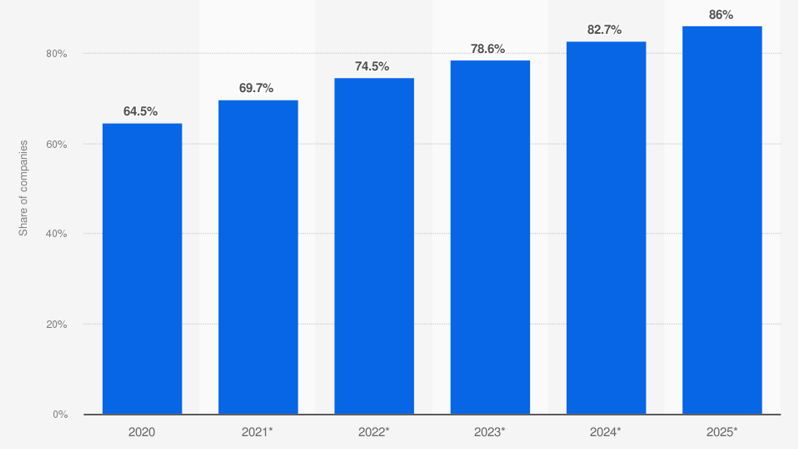
Trust is everything here. A huge 75% of Indian consumers trust influencer reviews more than brand ads, and 82% say repeated exposure builds purchase confidence. Gen Z? 60% discover products via creators first.
Over two-thirds rely on influencers for decisions, and 47% ditch brands that skip them. Engagement’s high: 20-30% first-time learning from content, with vulnerable stories boosting trust 80%. Benchmarks: 1.6% on Instagram, higher for nano. Authenticity wins—focus on real shares.
Regional & Vernacular Language Insights
India’s diverse, so regional plays matter. Hindi dominates, but Tamil, Telugu, Bengali, and Kannada influencers are booming in Tier 2/3 cities, where campaigns split 40-60% vs metros. These creators have comment rates, driving better conversions.
Vernacular content is overtaking English, with growth in non-Hindi belts. Metro focus is 50%, but rural pushes niches like farming or local fashion.
Emerging Trends for 2025–2026 in India
The future’s exciting: Reels and short videos dominate, with live commerce exploding. Virtual influencers and AI are in, 60% for matching and optimisation. DC ambassador programs are up, influencer shops are integrating sales.
By 2026, expect more AR and community builds. Long-term deals over one-offs, with 72% brands favouring them. Watch AI automate 73% of tasks.
For a deeper look, check this YouTube video: India Influencer Marketing Trends 2025 – it’s packed with expert chats.
Regulations & ASS Guidelines Update 2025
Rules are tightening to keep things fair. ASS mandates #ad disclosures, with compliance around 85-90%.
Govt’s Rs. 8,545 crore fund boosts creators. Challenges: Fake engagement, but vetting helps. Stay compliant to avoid fines.
Conclusion + 7 Actionable Takeaways for Indian Brands
Summing up India brand influencer marketing statistics 2025: INT 10,000+ crores market, 25% growth, Instagram leading, high trust at 75%. It’s a powerhouse for brands.
Takeaways: 1. Allocate 25% budget to influencers. 2. Mix nano/micro for engagement. 3. Go vernacular for Tier 2/3. 4. Embrace AI for matching. 5. Prioritise long-term partnerships. 6. Track Roach in beauty/tech. 7. Comply with #ad rules.
For basics, see Influencer marketing on Wikipedia.
FAQ Section
What is the influencer marketing spend in India in 2025?
Over INT 10,000 crores in real spends, up 25% from 2024.
Which platform gives the best ROI for Indian brands?
Instagram for reach, YouTube for recall—depends on content.
How much do Indian micro-influencers charge in 2025?
INT 5000-50000 per post.
Is vernacular content overtaking English influencer marketing?
Yes, especially in Tier 2/3, with higher engagement.