Have you ever paused in the middle of a busy day and wondered what really matters in life? In the teachings of Jesus, two powerful stories stand out: the parable of the Good Samaritan and the parable of the Rich Fool. These narratives from the Gospel of Luke force us to ask ourselves a tough question — do we live with open hearts toward others, like the Good Samaritan, or do we chase after personal gain, ending up like the Rich Fool?
Both parables highlight contrasting ways to approach life, wealth, and relationships. One celebrates compassion and generosity, while the other warns against selfishness and greed. Together, they paint a clear picture of what true richness looks like in God’s eyes. Let’s dive into these timeless tales and see what they mean for us today.
The Parable of the Good Samaritan (Luke 10:25-37)
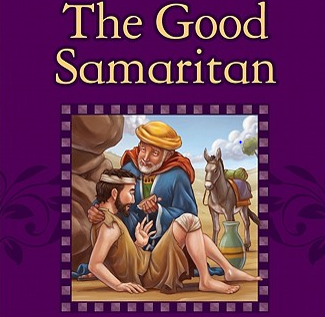
Picture this: a man is travelling down a dangerous road from Jerusalem to Jericho when robbers attack him. They strip him, beat him badly, and leave him half-dead on the side of the path. Soon, a priest comes by — someone respected in religious circles — but he crosses to the other side and keeps walking. Next, a Levine, another religious figure, does the same thing. They see the suffering but choose to ignore it.
Then comes a Samaritan. Back then, Samaritans and Jews didn’t get along at all; there was deep hostility between them. Yet this traveller stops. He feels compassion, bandages the wounds with oil and wine, puts the injured man on his own animal, takes him to an inn, and even pays for his ongoing care, promising to cover any extra costs.
Jesus told this story in response to a lawyer asking, “Who is my neighbour?” The answer? Everyone, even those we might consider enemies. For more details on this famous parable, check out the Parable of the Good Samaritan on Wikipedia.
Key Lessons from the Good Samaritan
This story isn’t just about being nice; it’s a call to active mercy. True love for others crosses cultural, racial, or social barriers. It challenges us to move beyond words and rituals into real action. In our world, being like the Good Samaritan means helping the stranger in need — whether that’s donating to a cause, volunteering time, or simply stopping to assist someone struggling.
The Parable of the Rich Fool (Luke 12:13-21)
Now shift scenes to a successful farmer. His land produces an abundant harvest, more than he can store. So he thinks to himself, “I’ll tear down my old barns, build bigger ones, store all my goods, and then relax. Eat, drink, and enjoy life!” It seems smart, right? Planning for the future.
But that very night, God speaks: “Fool! This night your soul is required of you, and the things you prepared — whose will they be?” Suddenly, all that hoarding means nothing. The man dies, leaving everything behind. Jesus uses this to warn against greed, saying life isn’t about accumulating possessions.
You can read more about this parable on the Parable of the Rich Fool on Wikipedia.
Key Lessons from the Rich Fool
The issue here isn’t wealth itself — the man worked hard for his success. It’s the attitude: self-centred hoarding without thought for God or others. He talks only to himself, focused on “my” crops, “my” barns, “my” soul, even. Life is fragile, and true security comes from being “rich toward God” through faith and generosity, not material stuff.
In today’s terms, the Rich Fool reminds us of the trap of endless chasing after more — bigger houses, fancier cars, larger savings — while neglecting relationships and spiritual growth.
Comparing the Good Samaritan and the Rich Fool
When we put these two parables side by side, the contrasts are striking. The Good Samaritan gives freely: his time, resources, and effort to help a stranger. He risks inconvenience and expense for someone else’s sake. On the flip side, the Rich Fool takes everything for himself, building bigger storage without sharing or acknowledging God.

Both stories deal with priorities. One embodies outward-focused compassion; the other, inward-focused greed. Jesus ties them to the greatest commandments: love God and love your neighbour. Emulating the Good Samaritan fulfils both, while living like the Rich Fool misses them entirely.
For a deeper visual explanation of these ideas, watch this insightful video on The Parable of the Rich Fool or this one exploring its meaning: Learning From the Parable of the Rich Fool.
Lessons for Today: Choosing Wisely Between the Good Samaritan and the Rich Fool
So, which one are we more like? In our fast-paced lives, it’s easy to pass by needs like the priest and Levine, too busy or distracted. Or to hoard success like the Rich Fool, thinking it’ll bring lasting happiness.
But Jesus invites us to choose differently. Practice generosity: share resources, offer kindness without expecting return. Build “treasures in heaven” through acts of love. This leads to deeper fulfilment, stronger communities, and peace that money can’t buy.
Reflect on your daily choices. Do they lean toward the compassion of the Good Samaritan or the self-reliance of the Rich Fool? Small steps — helping a neighbour, giving to charity, prioritising people over possessions — can shift us toward a richer life in every sense.

Conclusion: Embrace the Way of the Good Samaritan
These two parables from Jesus aren’t ancient history; they’re mirrors for our souls. The Good Samaritan inspires us to live with open hands and hearts, while the Rich Fool cautions against closing ourselves off in pursuit of more.
Ultimately, the choice is ours: compassion and eternal perspective, or fleeting greed and regret? Choose the path of the Good Samaritan — it’s the one that leads to true, lasting richness.