There’s nothing more frustrating than hopping into your car on a chilly morning, turning the key, and hearing just a faint click—or worse, total silence. That dreaded moment often means one thing: your battery has given up. If you’ve ever wondered how long car batteries last, you’re not alone. It’s a question every driver faces eventually, and the answer isn’t always straightforward.
On average, most car batteries last between 3 and 5 years. But that’s just a ballpark figure. Some fizzle out after only 2 years, while others keep going strong for 7 or more. It all depends on a mix of factors like the type of battery, where you live, how you drive, and how well you take care of it. In this guide, we’ll break it all down so you can get the most out of yours and avoid getting stranded.
For a quick overview of what a car battery is and how it works, check out the Automotive battery page on Wikipedia.
Average Lifespan of a Car Battery
So, how long do car batteries last in real-world conditions? The typical range is 3 to 5 years for a standard battery in a gasoline or diesel vehicle. This comes from years of data across brands and models.
In hotter climates, like the southwestern U.S., heat can cut that down to 2-4 years because it speeds up internal corrosion and evaporation. Colder areas might see similar lifespans, but cold weather makes starting harder, putting extra strain on the battery.
Premium batteries or those in milder conditions can push toward 6-7 years. Electric vehicle batteries are a different story—they often last 8-15 years or more due to advanced tech—but we’re focusing on traditional cars here.
Variations by Battery Type
Not all batteries are created equal, and the type plays a huge role in how long car batteries last.
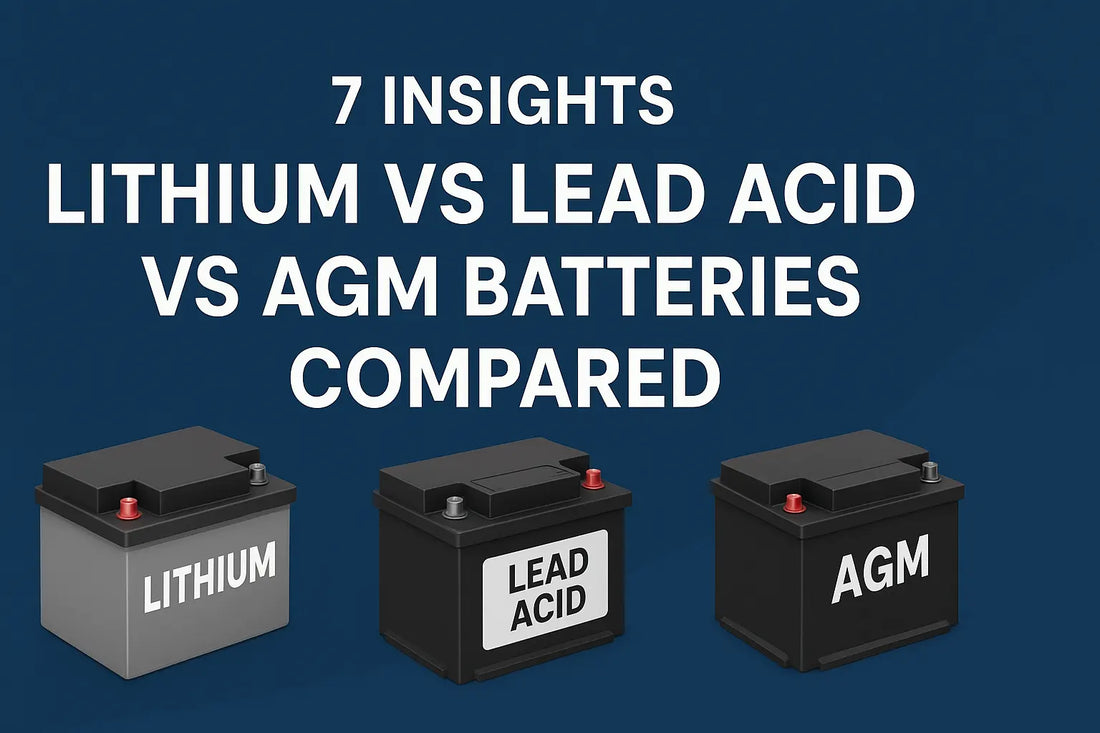
- Conventional flooded lead-acid batteries: These are the most common and affordable. They usually last 3-4 years.
- AGM (Absorbed Glass Mat) batteries: Sealed and more durable, great for vehicles with start-stop tech or high electrical demands. Expect 5-7 years, sometimes longer.
- Lithium-ion batteries: Mostly in hybrids or some modern cars. They’re lighter and can go 8+ years, but they’re pricier.
If your car came with an AGM, sticking to that type for replacement often gives better longevity.

Factors That Affect How Long Car Batteries Last
Wondering why your neighbour’s battery seems to last forever while yours taps out early? Here are the main culprits that influence how long car batteries last:
Temperature is the biggest enemy. Extreme heat accelerates chemical reactions inside, causing faster wear. Cold thickens fluids and reduces power output, making the battery work harder.
Driving habits matter a lot, too. Lots of short trips—say, under 20 minutes—don’t give the alternator enough time to fully recharge the battery. That leads to chronic undercharging and sulfation, shortening life.
High electrical loads from accessories like powerful stereos, lights left on, or dash cams drain it faster. Vibration from rough roads can loosen internal parts over time.
Finally, poor maintenance—like dirty terminals or low fluid levels in non-sealed batteries—builds resistance and cuts efficiency.
Signs Your Car Battery Is Dying
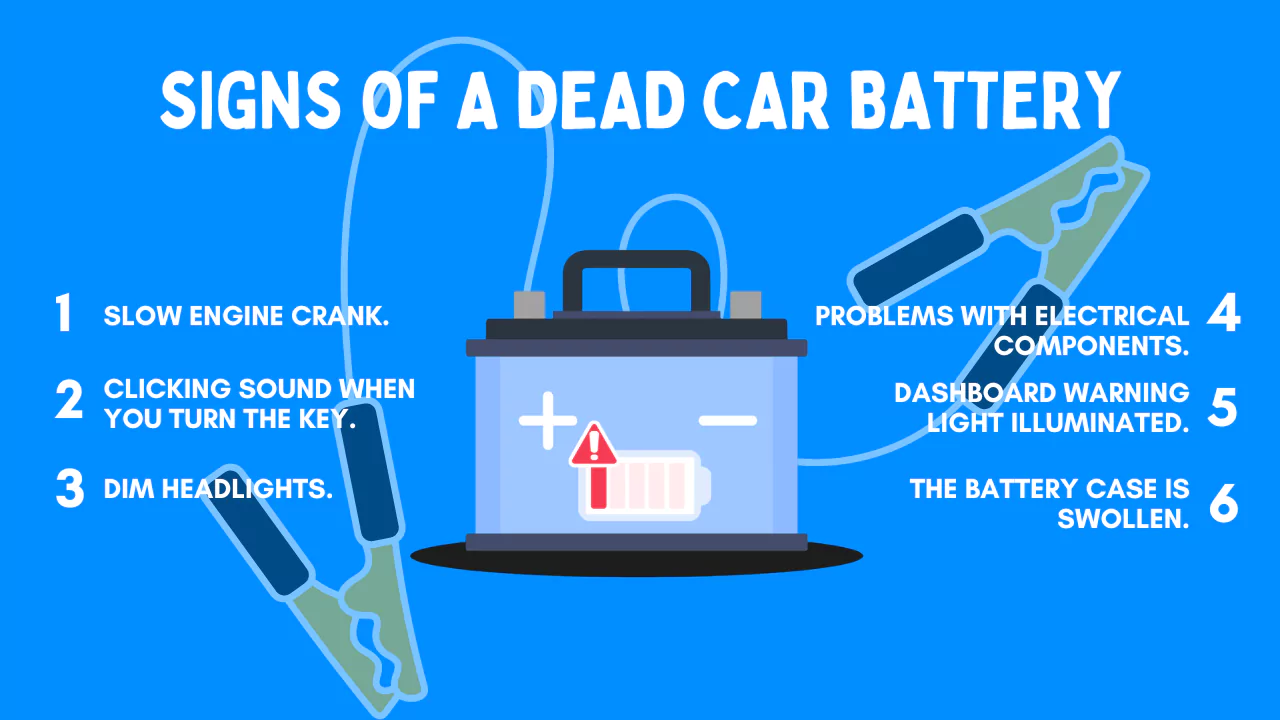
Catching problems early can save you from a tow truck. Watch for these common warning signs that your battery is on its way out:
- Slow cranking when starting the engine—it groans instead of firing right up.
- Dim headlights or interior lights, especially at idle.
- Dashboard warning light (the battery icon) is illuminating.
- Swollen or leaking battery case, or white powdery corrosion on terminals.
- Needing frequent jump-starts.
If your battery is over 3 years old and showing any of these, it’s smart to get it tested.
For a clear visual breakdown of these signs and more tips, check out this helpful YouTube video: How Long Do Car Batteries Last?.
How to Extend Your Car Battery’s Life
The good news? You can add months or even years to your battery’s life with some simple habits.
Drive longer trips regularly to let it fully recharge. Clean the terminals with a baking soda-water mix to prevent corrosion—it’s easy and effective.
Turn off lights and accessories when the engine’s off. If your car sits for weeks, use a trickle charger or battery tender.
Get it tested yearly after age 3, especially before winter. Park in a garage to shield from extreme temps.
When to Replace Your Car Battery
Don’t wait for total failure. Replace proactively around 4-5 years, or sooner in harsh conditions. Costs range from $100-300, depending on type.
Many shops offer free testing—take advantage. A new battery beats being stuck on the side of the road any day.
If you’re curious about making your battery last longer with easy tweaks, watch this practical video: Doing This Will Make Your Car Battery Last Twice as Long.
Conclusion: Make Your Battery Go the Distance
Asking how long car batteries last reveals there’s no one-size-fits-all answer—it’s typically 3-5 years, but smart choices can push it further. Stay aware of the factors, watch for signs, and maintain it well, and you’ll minimise surprises.
A little attention goes a long way toward reliable starts and peace of mind. Next time you pop the hood, give your battery a quick check—you’ll thank yourself later.
How Long Do Car Batteries Last?
There’s nothing more frustrating than hopping into your car on a chilly morning, turning the key, and hearing just a faint click—or worse, total silence. That dreaded moment often means one thing: your battery has given up. If you’ve ever wondered how long car batteries last, you’re not alone. It’s a question every driver faces eventually, and the answer isn’t always straightforward.
On average, most car batteries last between 3 and 5 years. But that’s just a ballpark figure. Some fizzle out after only 2 years, while others keep going strong for 7 or more. It all depends on a mix of factors like the type of battery, where you live, how you drive, and how well you take care of it. In this guide, we’ll break it all down so you can get the most out of yours and avoid getting stranded.
Average Lifespan of a Car Battery
So, how long do car batteries last in real-world conditions? The typical range is 3 to 5 years for a standard battery in a gasoline or diesel vehicle. This comes from years of data across brands and models.
In hotter climates, like the southwestern U.S., heat can cut that down to 2-4 years because it speeds up internal corrosion and evaporation. Colder areas might see similar lifespans, but cold weather makes starting harder, putting extra strain on the battery.
Premium batteries or those in milder conditions can push toward 6-7 years. Electric vehicle batteries are a different story—they often last 8-15 years or more due to advanced tech—but we’re focusing on traditional cars here.
Variations by Battery Type
Not all batteries are created equal, and the type plays a huge role in how long car batteries last.
- Conventional flooded lead-acid batteries: These are the most common and affordable. They usually last 3-4 years.
- AM (Absorbed Glass Mat) batteries: Sealed and more durable, great for vehicles with start-stop tech or high electrical demands. Expect 5-7 years, sometimes longer.
- Lithium-ion batteries: Mostly in hybrids or some modern cars. They’re lighter and can go 8+ years, but they’re pricier.
If your car came with an AM, sticking to that type for replacement often gives better longevity.
Factors That Affect How Long Car Batteries Last
Wondering why your neighbour’s battery seems to last forever while yours taps out early? Here are the main culprits that influence how long car batteries last:
Temperature is the biggest enemy. Extreme heat accelerates chemical reactions inside, causing faster wear. Cold thickens fluids and reduces power output, making the battery work harder.
Driving habits matter a lot, too. Lots of short trips—say, under 20 minutes—don’t give the alternator enough time to fully recharge the battery. That leads to chronic undercharging and insulation, shortening life.
High electrical loads from accessories like powerful stereos, lights left on, or dash cams drain it faster. Vibration from rough roads can loosen internal parts over time.
Finally, poor maintenance—like dirty terminals or low fluid levels in non-sealed batteries—builds resistance and cuts efficiency.
Signs Your Car Battery Is Dying
Catching problems early can save you from a tow truck. Watch for these common warning signs that your battery is on its way out:
- Slow cranking when starting the engine—it groans instead of firing right up.
- Dim headlights or interior lights, especially at idle.
- Dashboard warning light (the battery icon) is illuminating.
- Swollen or leaking battery case, or white powdery corrosion on terminals.
- Needing frequent jump-starts.
If your battery is over 3 years old and showing any of these, it’s smart to get it tested.
How to Extend Your Car Battery’s Life
The good news? You can add months or even years to your battery’s life with some simple habits.
Drive longer trips regularly to let it fully recharge. Clean the terminals with a baking soda-water mix to prevent corrosion—it’s easy and effective.
Turn off lights and accessories when the engine’s off. If your car sits for weeks, use a trickle charger or battery tender.
Get it tested yearly after age 3, especially before winter. Park in a garage to shield from extreme temps.

When to Replace Your Car Battery
Don’t wait for total failure. Replace proactively around 4-5 years, or sooner in harsh conditions. Costs range from $100-300, depending on type.
Many shops offer free testing—take advantage. A new battery beats being stuck on the side of the road any day.
Conclusion: Make Your Battery Go the Distance
Asking how long car batteries last reveals there’s no one-size-fits-all answer—it’s typically 3-5 years, but smart choices can push it further. Stay aware of the factors, watch for signs, and maintain it well, and you’ll minimise surprises.
A little attention goes a long way toward reliable starts and peace of mind. Next time you pop the hood, give your battery a quick check—you’ll thank yourself later.