Many people in their late teens or early 20s start wondering about their wisdom teeth. These third molars, as they’re officially called, often cause issues like pain, crowding, or infection. If you’re searching for answers on how long wisdom teeth removal takes, you’re not alone—it’s a common concern before heading to the oral surgeon.
The actual surgery for wisdom teeth removal usually lasts 30 to 60 minutes, though it can vary. Simple cases might wrap up quicker, while complicated ones take a bit longer. Recovery is another story: most folks feel much better in 3 to 5 days, but full healing can stretch to 1 or 2 weeks. Let’s break it all down so you know what to expect.
For more details on what wisdom teeth are, check out the Wikipedia page on wisdom teeth.
How Long Does the Wisdom Teeth Removal Procedure Take?
The big question—how long does wisdom teeth removal take during the actual appointment? On average, the procedure itself takes about 45 minutes for all four teeth. If you’re only getting one or two out, it could be as short as 20 to 40 minutes.
- Simple extractions (when the teeth have fully erupted) are straightforward and faster.
- Surgical extractions for impacted teeth (buried in the gum or bone) often need more time, sometimes up to 90 minutes.
It’s an outpatient thing, so you go home the same day. The surgeon uses anaesthesia, so you won’t feel a thing while it’s happening.

These diagrams show typical steps in the wisdom teeth removal process, from incision to extraction.
Factors That Affect Wisdom Teeth Removal Time
Several things influence how long wisdom teeth removal takes:
- The number of teeth: All four at once is common and efficient, but adds time.
- Position: Fully erupted teeth are easier than impacted ones, which might grow sideways or stay partially buried.
- Complexity: If the bone needs removal or the tooth is sectioned, it extends the procedure.
- Anaesthesia choice: Local numbing is quick; sedation or general might add prep and monitoring time.
- Your age and jaw: Younger patients often have easier removals since roots aren’t fully developed.
Impacted teeth are a frequent culprit for longer surgeries.
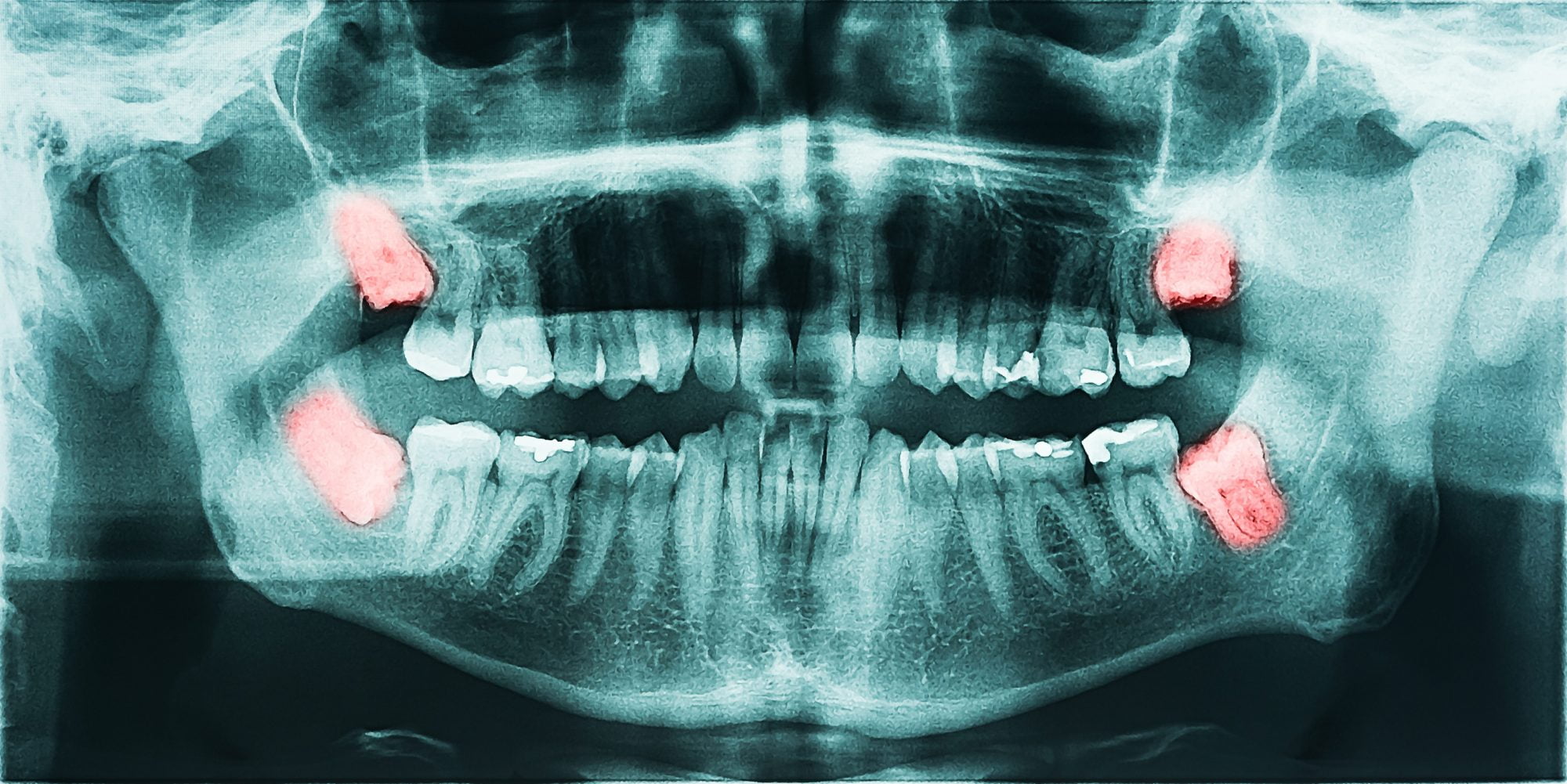

X-rays like these help surgeons spot impacted wisdom teeth before planning the removal.
What Happens During Wisdom Teeth Removal?
Curious about the steps? Here’s a typical flow:
- Anaesthesia kicks in—local, sedation, or general, depending on your case.
- The surgeon makes an incision in the gum if needed.
- They remove any bone covering the tooth.
- The tooth might be sectioned for easier extraction.
- Out it comes, then stitches if required (often dissolvable).
- Gauze packs the site to control bleeding.
To see it in action, watch this informative video: Wisdom Tooth Removal explained | Causes, Procedure, Recovery Time.
It’s more routine than you might think, and modern techniques make it smoother.
Wisdom Teeth Removal Recovery Time
Now, the part everyone stresses about: recovery. Initial swelling and discomfort peak in the first 2 to 3 days, then ease up. Most return to work or school after 3 to 5 days, but plan for up to 2 weeks for full soft tissue healing. Bone fills in over months.
Common experiences:
- Swelling and bruising (ice helps a lot).
- Some bleeding the first day.
- Pain managed with meds.
- Soft foods only at first.

Swelling like this is normal after wisdom teeth removal, but it subsides quickly with care.
Tips for Faster Recovery After Wisdom Teeth Removal
Want to bounce back quicker? Follow these:
- Rest the first couple of days—no heavy lifting.
- Ice packs on your cheeks to reduce swelling.
- Stick to soft foods like yoghurt, soups, and mashed potatoes; avoid straws, spicy stuff, or crunchies.
- Gentle salt water rinses starting day two.
- No smoking or alcohol—they delay healing.
- Take prescribed pain meds and antibiotics if given.
- Sleep with your head elevated.
Watch for issues like excessive bleeding or severe pain, and call your surgeon if something feels off.
When Should You Get Wisdom Teeth Removed?
The sweet spot is often late teens to early 20s, when roots are shorter, and recovery is easier. Signs it’s time:
- Ongoing pain or swelling.
- Infection around partially erupted teeth.
- Crowding affects other teeth.
- Cysts or damage to nearby molars.
Regular dental check-ups catch problems early.
Conclusion
So, circling back—how long does wisdom teeth removal take? The surgery is typically 30 to 60 minutes, with recovery spanning a few days to two weeks. It’s a common procedure that prevents bigger issues down the road.
Everyone’s experience differs a bit, so chat with your oral surgeon for a personalised timeline. If you’re dealing with discomfort now, don’t wait—getting them checked could bring relief sooner than you think.
FAQ
How long does wisdom teeth removal surgery take? Usually 30-60 minutes, depending on complexity.
How long is the recovery from all four wisdom teeth removals? Initial improvement in 3-5 days; full healing up to 2 weeks.
What affects the duration of wisdom teeth extraction? Number of teeth, impaction level, and anaesthesia type.
Is wisdom teeth removal painful? Not during (thanks to anaesthesia), but some discomfort after—manageable with meds.
Can I drive home after wisdom teeth removal? Not if sedation was used; arrange a ride.