If you’re wondering, can a felon get a passport? The straightforward answer is yes, in most cases. A past felony conviction doesn’t automatically bar you from obtaining a U.S. passport. Many people with criminal records successfully apply every year once they’ve fully completed their sentences.
That said, there are important exceptions and hurdles to be aware of. Myths abound, like the idea that any felony means no travel abroad forever, but the reality is more nuanced. U.S. laws focus on specific situations, not blanket bans for all felons.
Regaining the ability to travel internationally can feel like a fresh start after tough times. This guide breaks down the current 2025 rules, eligibility factors, and practical steps based on official guidelines. For detailed background on related laws, see the Wikipedia entry on International Megan’s

General Rules: Can a Felon Get a Passport?
For the vast majority of felons, the answer to can a felon get a passport is affirmative, provided you’ve finished your full sentence – that includes any probation or parole period. No active court restrictions on travel, and no unresolved warrants.
The U.S. Department of State runs background checks on all applications, but a completed felony alone rarely causes denial. Key laws, like those in Title 22 of the U.S. Code, outline narrow restrictions rather than broad ones.
Once eligible, the process mirrors that for anyone else. Honesty on the form is crucial, though – questions about convictions must be answered truthfully.
Specific Felonies and Situations That Disqualify You
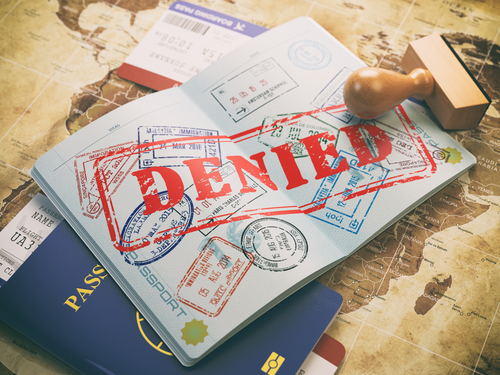
Certain cases make it impossible or very difficult to get a passport. International drug trafficking convictions, especially those involving border crossings or passport use during the crime, lead to automatic denial while on supervised release.
Outstanding felony warrants – federal, state, or local – block issuance. Being on probation or parole often means travel bans unless your officer approves.
Owing more than $2,500 in child support arrears triggers denial until paid. Covered sex offences under International Megan’s Law don’t prevent issuance but add a unique identifier to the passport book (no cards allowed).
Rarely, extradition requests or certain subpoenas in felony cases can halt things.
Types of Felonies That Usually Do NOT Prevent a Passport
Most common felonies won’t stop you from getting a passport. Domestic drug possession, sales without international ties, or simple distribution typically qualify once the sentence is done.
Violent crimes like assault or robbery, if no border element, generally allow approval. Theft, fraud, DUI (even felony level), and many property crimes fall here, too.
Misdemeanours seldom interfere. The focus is on ongoing risks or specific cross-border crimes, not past mistakes in general.
How to Apply for a Passport as a Felon
The application steps are standard, even if asking if a felon gets a passport. First-timers use Form DS-11 in person at a post office, library, or agency.
Gather proof of citizenship (birth certificate), ID, photos, and fees. Disclose convictions honestly – the form asks directly.
If requested, provide court documents showing sentence completion. Processing takes weeks to months; expedited options exist for urgent needs.
For a clear walk-through, check this helpful video: How to Fill Out the DS-11: Application for a U.S. Passport.
If Your Application Is Denied: Appeals and Options
Denials happen for fixable reasons often, like unpaid support or warrants. Clear those up and reapply.
Appeals go through the State Department within set timelines. Humanitarian emergencies sometimes allow exceptions.
Consult an attorney if complex; they can help gather evidence of rehabilitation.
Getting a Passport vs. Actually Travelling Abroad
Even with a passport answering can a felon get a passport positively? Entry abroad isn’t guaranteed. The U.S. lets you leave, but destinations decide admission.
Strict countries like Canada, Australia, Japan, and the UK often deny or heavily scrutinise felons, especially for serious or recent convictions.
More welcoming spots include Mexico (land entry often lenient), many Caribbean islands, and parts of Europe on a case-by-case basis. Always check embassies beforehand.
Felon-friendly options exist for vacations or visits – research visa rules carefully.

Special Considerations
Registered sex offenders get passports, but with an endorsement notice. No passport cards for them.
On probation? Get written permission from your officer first.
Recent convictions might invite extra review, though no formal waiting period beyond sentence completion.
FAQs About Felons and Passports
- Can I get a passport while on probation? Usually, no, without permission and if restrictions apply.
- Does a felony show up on my passport? No, unless it’s a covered sex offence with the identifier.
- How long after conviction can I apply? Once fully off paper – sentence, probation, parole done.
- What if I already have a passport? It remains valid unless revoked for specific reasons.
Conclusion
To the question, can a felon get a passport, most can reclaim that freedom after paying their debt to society. It’s a sign of moving forward, opening doors to new experiences abroad.
Stay informed on your specific situation, clear any barriers, and apply confidently. With planning, international travel becomes possible again – consult officials or pros for personalised advice.