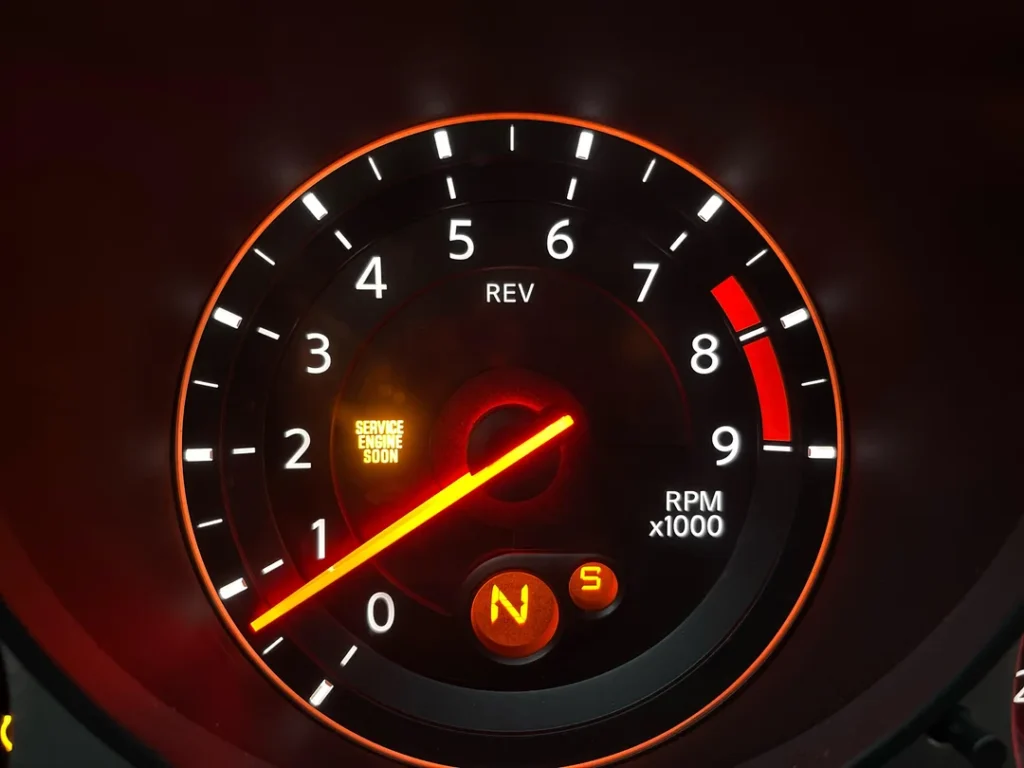
Seeing that service engine soon light pop up on your dashboard can make anyone’s stomach drop for a second. Is something seriously wrong? Do you need to pull over right now? Most of the time, the answer is no — but you shouldn’t ignore it either. This light has been confusing drivers for years, especially since it looks and sounds a lot like the classic check engine light.
In this guide, we’ll break down exactly what the service engine soon light means, why it comes on (even when your car seems to run fine), the most common causes, how to reset it safely, and when it’s time to head to a mechanic. Let’s get you sorted so you can drive without that nagging glow on the dash.
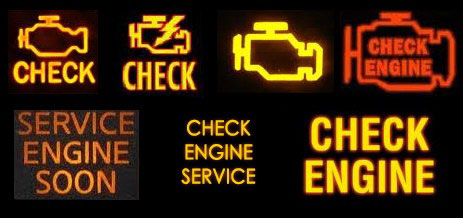
Service Engine Soon Light vs Check Engine Light: Key Differences
People mix these two up all the time, but they’re not always the same thing. The service engine soon light often acts as a maintenance reminder in many vehicles. It tells you scheduled service is due — think oil changes, filter replacements, or other routine stuff based on mileage or time.
On the flip side, the check engine light (usually just the engine outline symbol) points to a detected problem in the engine, emissions system, or related sensors. It’s more about a fault code being stored.
That said, here’s the important part: In some brands — especially Nissan and Infinite — the service engine soon light is actually used instead of a traditional check engine light. In those cars, it can mean either maintenance time or a real issue (like emissions problems). For older vehicles or certain manufacturers, “Service Engine Soon” was an early name for what we now call the check engine indicator.
To learn more about the underlying system, check out the Wikipedia page on On-board diagnostics — it explains how modern cars monitor themselves.
Quick comparison:
- Service Engine Soon → Often maintenance reminder, but can store fault codes in some makes
- Check Engine → Almost always a detected fault (emissions, sensors, etc.)
- Urgency → Maintenance = plan a visit soon / Fault = diagnose ASAP
What Does the Service Engine Soon Light Actually Mean?
At its core, the service engine soon light is your car’s way of saying, “Hey, pay attention to the engine-related stuff soon.” In most cases, it’s not screaming emergency — especially if it’s solid (not flashing). A flashing light usually means something more urgent, like a misfire that could damage the catalytic converter.
For many drivers, the light comes on even when the car runs perfectly smoothly. That’s because it can be triggered by tiny emissions glitches or overdue routine care. In Nissan and Infinite models, it’s very common and often tied to the VAPE system or sensors.
Top Common Causes of the Service Engine Soon Light
Here are the usual suspects that trigger this light — starting with the easiest/cheapest fixes:
- Loose or faulty gas cap — Hands down the #1 cause (especially on Nissan/Infiniti). Let’s fuel vapours escape → messes with emissions.
- Overdue oil change or maintenance interval hit.
- Faulty oxygen sensor — Helps monitor air-fuel mix; when it fails, the light comes on.
- Mass airflow sensor issues — Dirty or failing = poor performance readings.
- Spark plugs or ignition coils are due for replacement.
- VAPE system leak (beyond just the cap).
- Low fluids (coolant, transmission, etc.).
- Catalytic converter efficiency is dropping (more serious).
- Minor sensor faults or battery/charging glitches.
A loose gas cap? Fix it in 30 seconds and drive a few cycles — the light often clears itself.
Is It Safe to Keep Driving with the Service Engine Soon Light On?
Usually yes — if it’s solid and the car drives normally (no rough idle, loss of power, weird smells). You can probably go a few hundred miles without drama.
But watch for these red flags:
- Light flashing
- Engine shaking/misfiring
- Poor acceleration
- Burning smell
Those mean stop soon and get it checked — ignoring them can lead to expensive damage.
How to Reset the Service Engine Soon Light (Step-by-Step)
Before resetting, fix the cause if possible. Here’s how people often clear it without fancy tools:
- Tighten/replace gas cap → Drive 50–100 miles; many systems self-clear.
- Disconnect battery → Negative terminal off for 10–30 minutes (warning: may reset radio/clock/settings).
- Brand-specific pedal dance (common on older Nissan/Infiniti):
- Ignition ON (don’t start)
- Pump the accelerator pedal 5 times fast
- Wait 7 seconds
- Hold the pedal down for 10+ seconds until the light flashes
- Release & start the car
- Best way long-term → Grab a cheap OB scanner ($20–50) to read codes and clear them properly.
If the light comes back, there’s an active issue — time for a scan.
For a visual walk-through, here’s a solid YouTube video on common reset methods and causes:
How to Reset Service Engine Soon Light (Nissan & General Tips)
(Search and pick recent videos from trusted auto channels for your exact model.)
When Should You Take It to a Mechanic Instead of Resetting?
If the light persists after easy fixes, or if you notice any livability issues, don’t keep resetting blindly. A professional scan costs $80–150 and pinpoints the real problem.
Cheap resets work for maintenance reminders or loose caps — but ignoring real codes can turn a $100 sensor into a $1,500 converter repair.
Prevention: How to Avoid the Service Engine Soon Light in the Future
- Stick to your factory maintenance schedule (oil, filters, plugs)
- Always tighten the gas cap until it clicks 3+ times
- Use quality fuel and check fluids regularly
- Invest in a basic OB scanner — great for early warnings
Conclusion
The service engine soon light is usually your car’s polite way of saying “time for some TLC” rather than “panic now.” Whether it’s a simple gas cap tweak or overdue service, addressing it early saves money and headaches.
Start with the easy stuff, reset if appropriate, and scan if it sticks around. Your car will thank you with smoother rides and fewer surprise bills.
Got a specific make/model? Drop it in the comments — happy to give more tailored tips!