Introduction
Have you ever dreamed of having your own bocce ball court right in the backyard? It’s one of those simple pleasures that brings people together. Bocce ball is an ancient game with roots going back thousands of years, and today it’s loved by families everywhere for its relaxed pace and fun competition.
A bocce ball court is essentially a long, flat playing area where players roll or toss balls toward a smaller target ball, known as the pallino. The beauty of it is that anyone can play – kids, grandparents, everyone. It’s low-impact, so no need to worry about straining yourself, yet it still gets you moving and laughing.
Having a dedicated bocce ball court at home means you can enjoy spontaneous games during barbecues, evening gatherings with friends, or simply spend a quiet afternoon with the family. It’s a fantastic way to turn unused yard space into something special. For more on the game’s fascinating history, check out the Wikipedia page on Bocce.
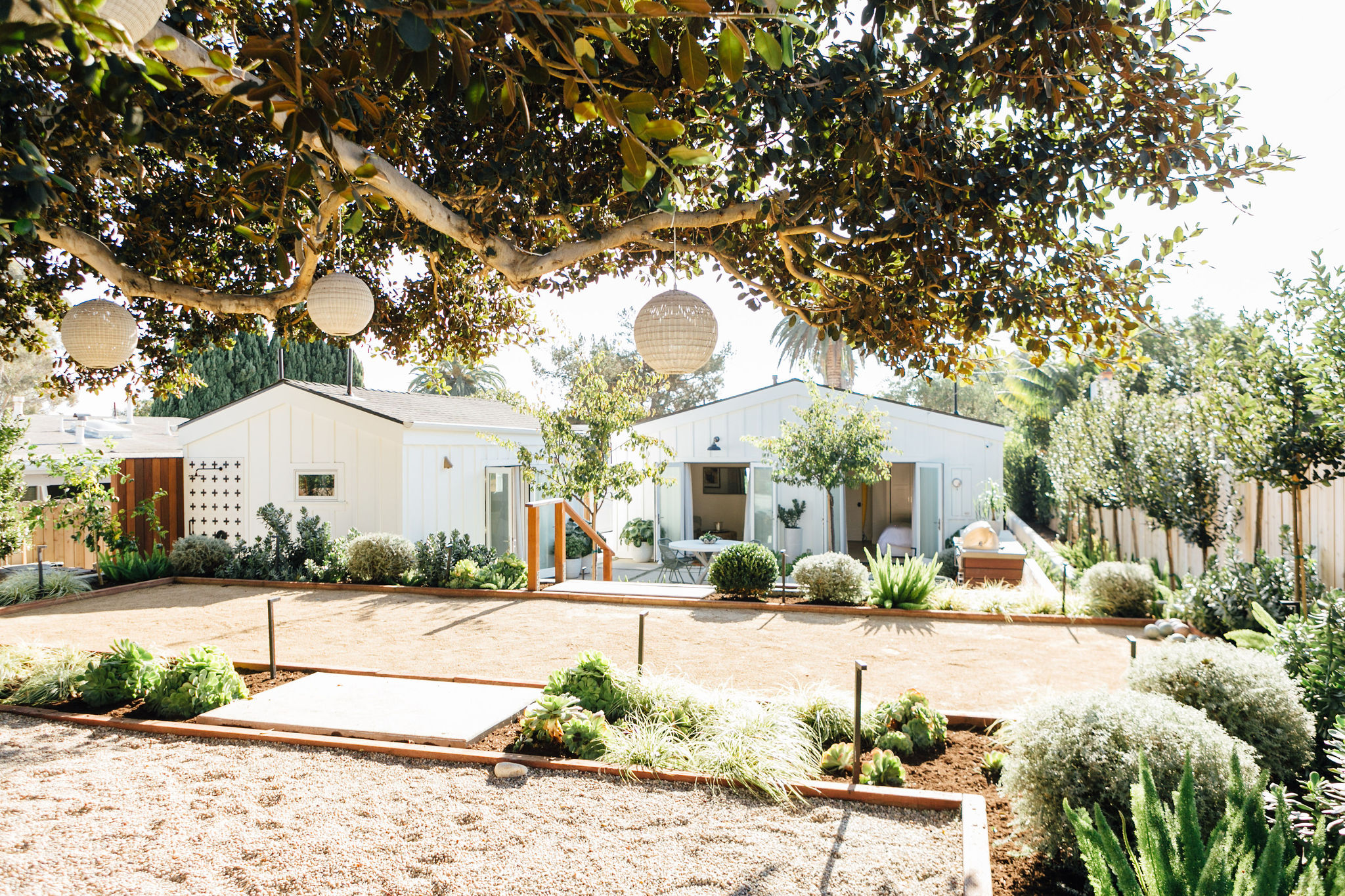
Bocce Ball Court Dimensions and Sizes
When planning a bocce ball court, size matters for the best experience. Official regulation courts are quite large – typically around 13 feet wide and up to 91 feet long. That’s perfect for serious tournaments, but most homeowners opt for something smaller and more practical.
Common backyard bocce ball court sizes range from 10 to 12 feet wide and 60 to 70 feet long. This gives enough room for good rolls without taking over your entire yard. Think about your space: if you’re casual players, a shorter court works fine. For more competitive fun, go longer.
Factors like player numbers, age, and how seriously you take the game influence the dimensions. A narrower court might fit better in a side yard, while a wider one allows side-by-side games.
Planning Your Bocce Ball Court
Starting with good planning makes building a bocce ball court much easier. First, pick a spot that’s mostly flat with decent drainage – avoid low areas where water pools after rain.
Look for partial shade from trees to keep games comfortable on hot days. Clear the area of rocks, roots, or uneven spots. Laying down a weed barrier early prevents headaches later.
Budget plays a big role, too. You can DIY for savings or hire pros for a polished look. Either way, measure twice to ensure it fits perfectly.
Materials for Bocce Ball Court Surfaces
The surface is key to how well your bocce ball court plays. Traditional choices like crushed oyster shell give the best smooth roll and slight bounce – it’s what pros often use.
Other options include decomposed granite for stability, clay for a classic feel, artificial turf for low upkeep, or even sand in some setups. Each has trade-offs: oyster shell drains well but needs occasional topping up; turf stays green year-round with minimal work.
Pros of oyster shell: authentic playability and natural look. Cons: dustier in dry weather. Artificial turf shines for easy maintenance and consistent performance.
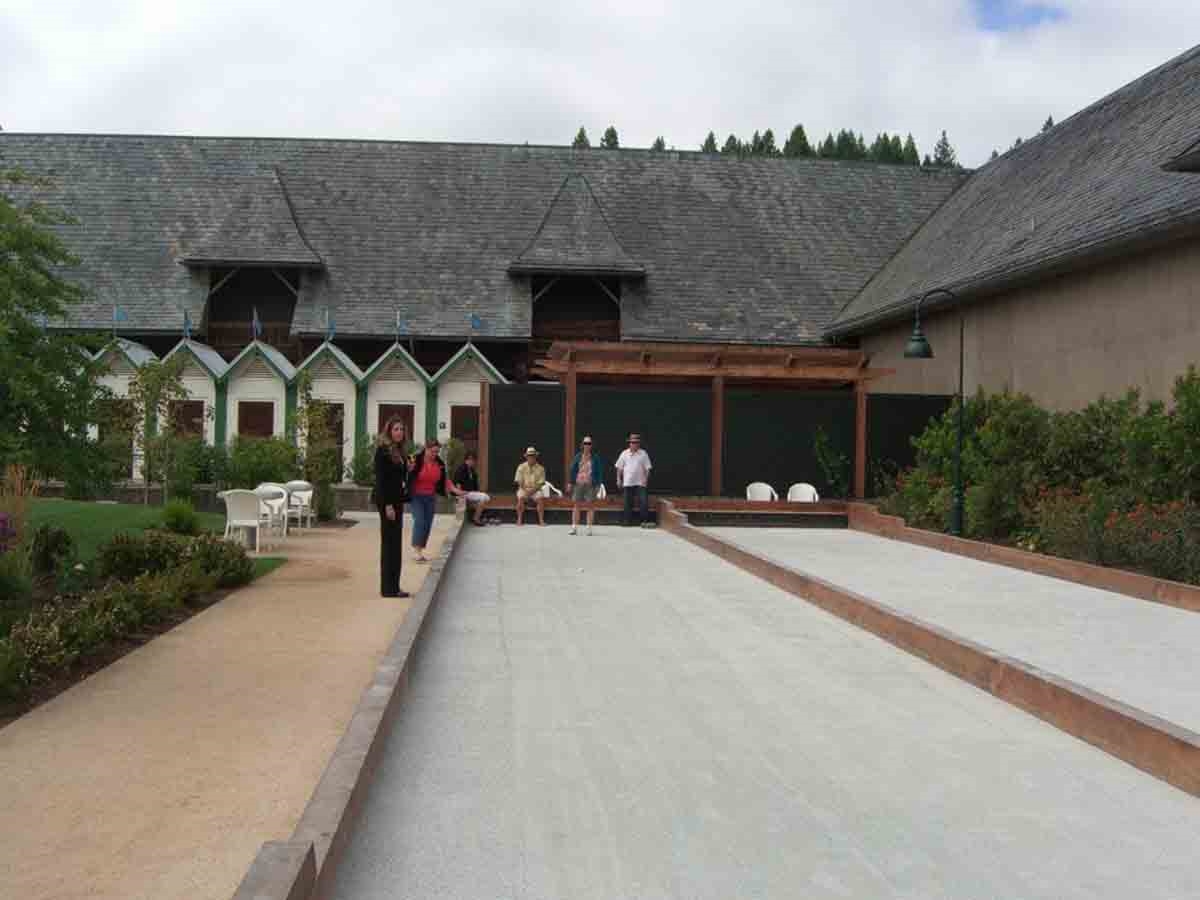
Step-by-Step Guide: How to Build a Bocce Ball Court
Building your own bocce ball court can be a rewarding weekend project. Start with excavation: dig down about 6-8 inches for a solid base.
Add a gravel layer for drainage, compact it well, then frame the edges with sturdy wood or landscaping timbers to contain everything.
Next, spread your chosen surface material evenly – rake and roll it smooth. Mark simple lines for boundaries if desired.
Finally, add extras like benches or a scoreboard. For a visual walk-through, watch this helpful tutorial: How To Build a Bocce Ball Court – DIY Network on YouTube.

Backyard Bocce Ball Court Design Ideas
Make your bocce ball court blend beautifully with the rest of your yard. Surround it with low plants or flowers for a framed look, or place it near a patio for easy transitions.
Some folks combine it with other games, like horseshoes, for multi-use space. Evening play? Add string lights or low posts for a magical glow.
Incorporate seating areas nearby so spectators can relax. Curved borders or integrated fire pits turn it into a full entertainment zone.

Bocce Ball Rules Basics
Getting started on your new bocce ball court is easy once you know the basics. You’ll need a set of larger bocce balls (usually eight, four per team) and one small pallino.
One team tosses the pallino to start, then players alternate throwing their balls to get closest to it. Points go to the team with the nearest ball – one point per ball closer than the opponent’s best.
Games often go to 12 or 15 points. It’s all about strategy: gentle rolls or bold knocks to displace others.
Maintenance and Cost
Keeping a bocce ball court in top shape isn’t too demanding. Rake the surface regularly to smooth it, remove debris, and control weeds. Occasional watering helps compact natural materials.
Costs vary: a basic DIY setup might run $1,500 to $4,000, depending on size and materials. Professional builds can go higher for premium finishes.
Long-term, it’s worth it for the years of enjoyment.
Conclusion
Adding a bocce ball court transforms ordinary backyards into gathering spots full of laughter and friendly rivalry. It’s more than a game surface – it’s an invitation to slow down, connect, and make memories.
Whether you go full regulation or a cosy custom size, the joy it brings is priceless. Ready to roll? Start sketching your plans today and soon you’ll be hosting epic matches under the stars.