Finding an old tube of toothpaste at the back of the cabinet is pretty common. Maybe it’s been sitting there since your last move or you bought a few extras on sale. The big question pops up almost immediately: Does toothpaste expire? And if it does, is it still okay to brush with?
Short answer: yes, toothpaste does expire — but not in the same dramatic way as food in your fridge. It slowly loses effectiveness rather than suddenly turning dangerous. In this article, we’ll walk through everything you need to know: real shelf life, how to spot the expiration date, what happens when it gets old, and practical tips to avoid wasting money on tubes you can’t use.
Does Toothpaste Really Expire? The Straight Facts
Toothpaste is classified by the FDA as an over-the-counter drug because of active ingredients like fluoride, hydrogen peroxide (in whitening formulas), or specialised compounds for sensitive teeth. Because it’s a drug, manufacturers are required to put an expiration date on the package.
Most standard toothpastes have a shelf life of 2 to 3 years from the date of manufacture when the tube remains unopened. After that point, the main active ingredients — especially fluoride — start to degrade. The toothpaste won’t suddenly become toxic, but it will become less effective at protecting your teeth from
For more background on how fluoride works in oral care products, the Wikipedia article on fluoride therapy gives a solid overview.
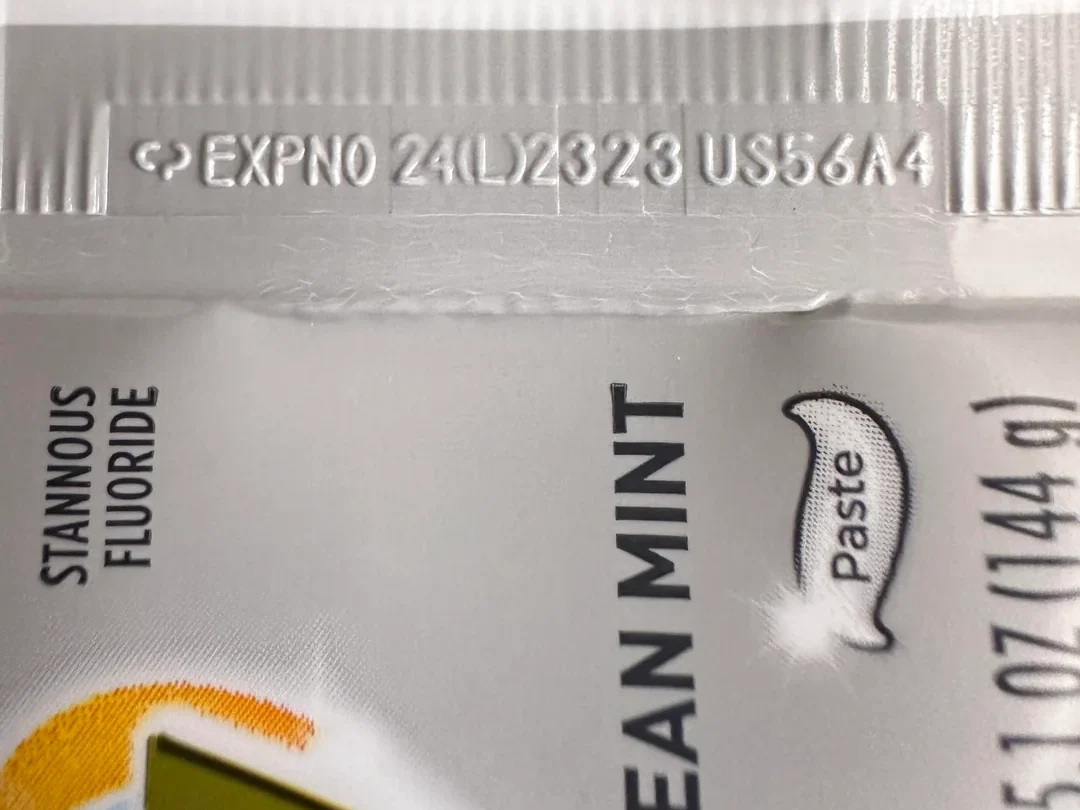
How to Actually Find the Expiration Date
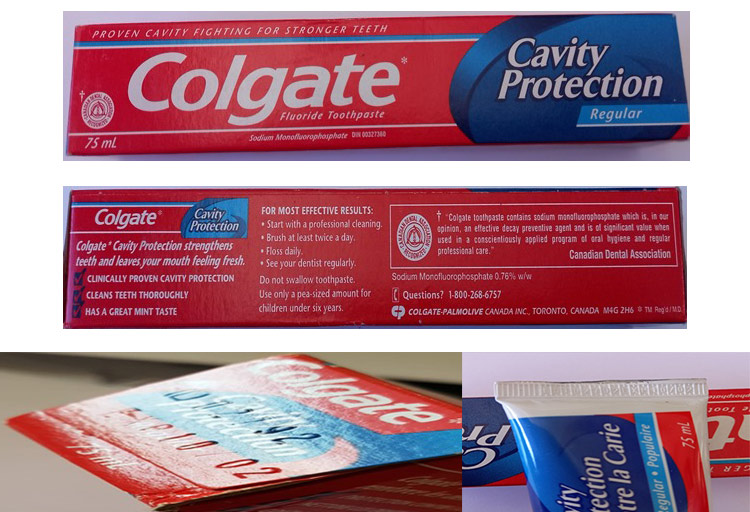
The expiration date isn’t always obvious. Unlike food, toothpaste companies use different formats:
- Straightforward month/year (example: 06/27 = June 2027)
- Day/month/year in some international brands
- Lot codes that look like random numbers and letters
- Sometimes only a manufacturing date is printed (you’ll need to add 24–36 months yourself)
Look in these places:
- The crimp (folded end) of the tube
- The cardboard box it came in
- Printed along the side of the tube itself
Popular brands handle it slightly differently:
- Colgate usually prints a clear month/year on the crimp
- Crest often uses lot codes (check their website for decoding help)
- Sensory and Arm & Hammer tend to use straightforward dates
- Many natural brands (Tom’s of Maine, Hello) print “best if used by” dates
Shelf Life After You Open the Tube
Once you break the seal, the clock speeds up a little.
Most manufacturers now include a Period After Opening (PAP) symbol — a small open jar icon with a number inside (12 = 12 months, 24 = 24 months). This tells you how long the product should remain at full effectiveness after opening.
For toothpaste, the realistic range is usually 12–24 months after opening, depending on the formula and storage conditions. Whitening toothpastes with peroxide tend to have shorter post-opening life because peroxide breaks down faster when exposed to air.
Is Expired Toothpaste Safe? What Are the Real Risks?
Here’s what most people want to know: can using slightly expired toothpaste hurt you?
In the vast majority of cases — no. You’re not going to get food poisoning or a serious infection from old toothpaste. The biggest issue is reduced effectiveness:
- Fluoride concentration drops → less protection against cavities
- Whitening agents become much weaker
- Some specialised ingredients (desensitising agents, anti-tartar compounds) lose potency
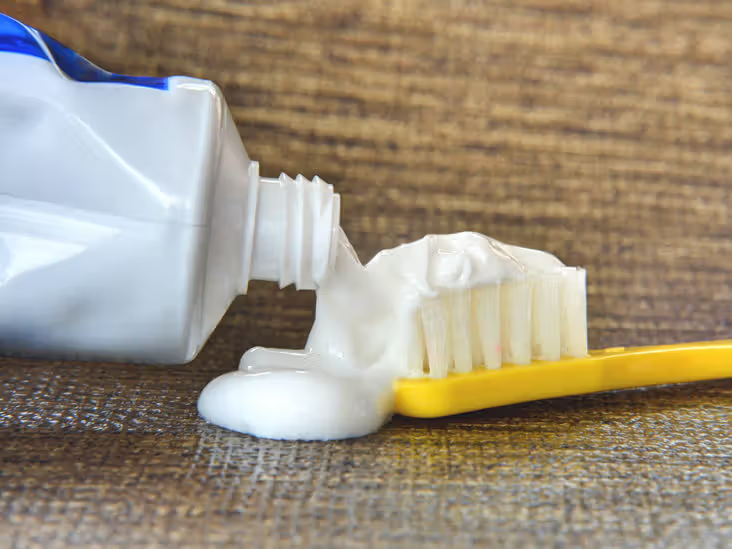
Very rarely, extremely old toothpaste can separate into watery liquid and solid parts, develop an off smell, or grow small amounts of mild mould if moisture gets inside. If you see any of these changes, just throw it away.
Clear Signs Your Toothpaste Has Gone Bad
Your senses usually tell you before the calendar does. Watch for these warning signs:
- Watery separation (liquid pooling when you squeeze)
- Colour change (especially yellowing or browning in white paste)
- Weird smell — sour, chemical, or rancid instead of minty/fresh
- Strange taste — bitter, metallic, or just “wrong”
- Texture issues — hard lumps, excessive grittiness, or it doesn’t foam properly
If more than one of these is happening, it’s time for a new tube.
Practical Storage Tips to Make Toothpaste Last Longer
Want to stretch the life of your toothpaste as much as possible? Try these simple habits:
- Store tubes in a cool, dry drawer or cabinet instead of the humid bathroom
- Always close the cap tightly right after use
- Avoid extreme heat (don’t leave it in the car during summer)
- Buy only what you can realistically use within 18–24 months
Should You Buy Toothpaste in Bulk?
Bulk buying makes sense for families, but only if you can use it before it loses effectiveness. Check manufacture dates on the bottom of the box before purchasing large packs. If the tubes are already 18+ months old at purchase, you’re starting with reduced shelf life.
Conclusion – Don’t Stress, Just Check
Does toothpaste expire? Yes — usually after 2–3 years unopened and 12–24 months after opening. The main consequence of using old toothpaste is weaker cavity protection, not sudden health disasters.
Next time you’re brushing, give the tube a glance at the crimp or side. If it looks, smells, and tastes normal and it’s still within a reasonable time frame, you’re probably fine. When in doubt, a new $3–5 tube is cheap insurance for better oral health.
For a visual explanation of how to locate and read expiration dates on different brands, here’s a helpful YouTube video that covers the most common tubes:
How to Check Toothpaste Expiration Dates – Quick Guide
Pick a recent, highly-viewed video from a trusted dental or consumer channel.