Ever wondered why so many brands in Germany are turning to social media stars to push their products? It’s because the influencer scene here is booming, and it’s not just hype in 2025; the market for influencer advertising in Germany has climbed to around €739 million, making it one of the most developed in Europe. This growth comes from a mix of smart digital strategies and consumers who trust real people over flashy ads. If you’re a brand manager, agency owner, or just someone curious about marketing trends, these German brand influencer marketing statistics 2025 are your go-to guide. We’ll cover everything from how big the market is getting to what brands are spending, how consumers are reacting, and what’s next on the horizon. Think market size hitting new highs, adoption rates soaring, and growth that could redefine how we shop online. Let’s break it down.
1. Market Size & Growth Forecast 2025–2030
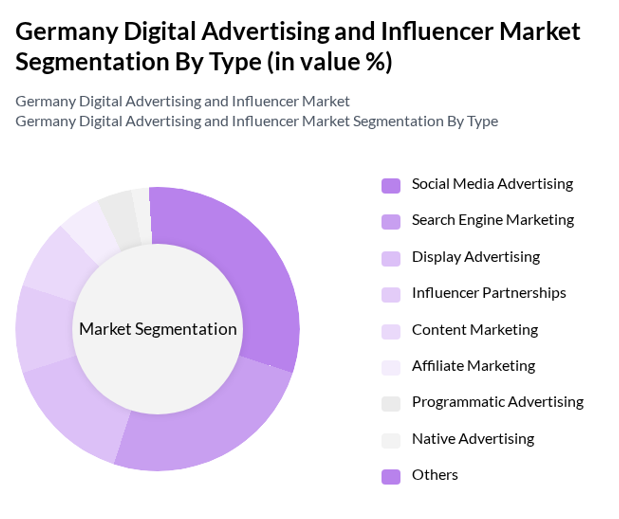
The influencer world in Germany isn’t slowing down anytime soon. Right now, in 2025, the sector is valued at about €739 million, which is a healthy 12 per cent from last year. Some reports even peg it at US$908 million, showing just how robust this space has become. That’s thanks to Germany’s strong online presence and the way influencers tie into everyday shopping habits.
Looking further out, projections show the market could reach €1.05 billion by 2029, with a compound annual growth rate (CAGE) of around 10.71 per cent. By 2030, it might even reach US$1.38 billion if the 8.65 per cent growth keeps up. Compared to the rest of Europe, Germany stands out—it’s part of the DATE region that’s leading the charge, with the global influencer market sitting at $32.55 billion this year. And don’t forget social commerce; it’s exploding here, expected to grow to $6.19 billion in 2025 alone, with forecasts pushing toward $8.46 billion by 2030 as more people buy straight from social feeds. For brands, this means more room to play in a market that’s not just growing but evolving with tech and consumer shifts. It’s exciting to see how Germany stacks up globally, holding its own against bigger players while focusing on quality partnerships.
2. Brand Adoption & Budget Statistics
Brands across Germany are really embracing influencers these days, and the numbers prove it. About 76 per cent of them are actively using influencer marketing in 2025, a big leap from 62 per cent just two years ago. It’s like everyone’s realised that teaming up with the right online personality can cut through the noise better than traditional ads. Plus, nearly 60 per cent of these brands are planning to pump more money into it. Many increasing budgets by 11 per cent or more.
On the spending side, things get practical. Around 22 per cent of companies spend between €10,000 and €50,000 each year for these campaigns, focusing on returns that make sense. Influencers aren’t cheap either—the average hourly rate hovers at €127, reflecting their value in driving real engagement. Overall, 80 per cent of brands have either kept their budgets this year, showing confidence in the strategy. I think this trend makes total sense in a place like Germany, where people value authenticity. Brands aren’t just throwing money around; they’re investing in relationships that build long-term loyalty. If you’re running a business, these stats suggest it’s time to reassess your budget if you haven’t already jumped.
3. Consumer Behaviour & Purchase Influence
German consumers are picky, but influencers seem to have cracked the code on getting their attention. Roughly 33 per cent of women and 20 per cent of men follow influencers, turning to them for tips on everything from fashion to tech. And it’s not just browsing—about 40 per cent of shoppers have actually bought something after spotting it in influencer content. That’s a huge win for brands, especially when you consider that influencers can drive conversions up to six times higher than old-school advertising during busy times like sales seasons.
Breaking it down by platforms. YouTube leads with 24 per cent of people making purchases based on recommendations there, while Instagram follows at 19 per cent. Ticktock is catching up fast, appealing to younger crowds with its quick, fun videos. In fact, at least 57 per cent of German shoppers have made one or two purchases from social media in the past six months thanks to the creator. This behaviour ties into broader trends where trust plays a key role—people here prefer genuine endorsements over polished commercials. It’s fascinating how these stats highlight a shift in shopping habits, making influencers a must-have for any brand aiming to connect on a personal level.
Check out the United State (USA) influencer marketing stats for 2025 here
4. Platform Performance & Engagement Rates 2025
When it comes to where the action happens, platforms matter a lot in Germany’s influencer space. Ticktock is killing it with an average engagement rate of 6.3 per cent, making it a hot spot for viral content and quick connections. Instagram remains the top choice for fashion, beauty, and lifestyle niches, with solid engagement of around 3.1 per cent.
YouTube, on the other hand, wins for trust and deeper purchase intent, reaching all age groups with longer-form videos that build credibility. No surprise that 85 per cent of brands are zeroing in on short-form video across these platforms—it’s snackable, shareable, and effective. Engagement hovers between 2 and 6 per cent, depending on the app and category. For marketers, picking the right platform can make or break a campaign, especially with Germans favouring content that feels real and relatable.
5. Influencer Tiers & Preferred Categories
Gone are the days of chasing mega-stars; in 2025, brands in Germany are shifting toward micro-influencers (10,000 to 100,000 followers) and nano-influencers for better ROIL and niche appeal. Nan’s, with under 10,000 followers, boasts engagement rates around 4.3 per cent, often delivering more authentic interactions. They’re like everyday experts in their fields, building trust in tight-knit communities.
Top categories this year include fashion and lifestyle, health and wellness, sustainability, gaming, and outdoor activities. Micros show up in health, fitness, food, and more, while nanos shine in local or super-specific niches. This approach helps brands tap into dedicated audiences without breaking the bank, and it’s why smaller tiers are winning big on ROIL.
6. Emerging Trends & Challenges for 2025
The influencer game in Germany is getting smarter and more regulated. One big trend is the rise of long-term ambassador deals, where brands stick with creators for ongoing authenticity. AI is stepping in too, powering campaign analytics and helping find the perfect influencer matches. Social commerce is heating up with shoppable integrations, making buying seamless right from posts.
But challenges loom, like stricter GD PR rules on data privacy and ad disclosures that demand total transparency. There’s also the ongoing crackdown on fake followers, pushing for cleaner metrics. Brands have to navigate these carefully, but with tools like AI, it’s doable. Overall, the focus is on ethical, efficient strategies that keep things real.
Conclusion & Action Steps
Summing it up, these German brand influencer marketing statistics 2025 show a vibrant scene with €739 million in play, 76 per cent adoption, and growth eyeing €1.05 billion by 2029. Key takeaways:
- The market is maturing fast with a strong CAGE.
- Brands are budgeting more for proven ROI.
- Consumers trust influencers for purchases, especially on TikTok and Instagram.
- Micro and nano tiers offer high engagement in niches like sustainability.
- Trends lean toward AI and long-term ties, but watch GDP hurdles.
For brands scaling in Germany, here’s a quick 2025 checklist: Audit your influencer budget, prioritise micro-creators in your niche, ensure GDP compliance in every campaign, test short-form video on TikTok, and track engagement with AI tools. Check out the BLVD Influencer Marketing Landscape 2025 report for deeper dives. Next steps? Start scouting influencers today and experiment with a small campaign to see the magic.
To learn more basics, head to the Wikipedia page on influencer marketing. And for a visual take, watch this YouTube video: The State of Influencer Marketing 2025: What UK Marketers Need to Know—it’s got insights that apply across Europe.