Getting a flat tyre is one of those unexpected hassles that can throw off your whole day. You’re cruising along, everything feels fine, and suddenly you notice the car pulling to one side or hear that telltale thumping sound. Luckily, most vehicles come equipped with a spare tyre to help you out in these situations. But the big question everyone asks is: how long can you drive on a spare tyre? The answer isn’t one-size-fits-all—it really depends on what kind of spare you have.
In this guide, we’ll break down the differences between spare tyre types, safe driving distances and speeds, potential risks, and some practical tips to keep you safe until you get a proper fix. Knowing these details can prevent bigger problems down the road and give you peace of mind next time you’re dealing with a flat.
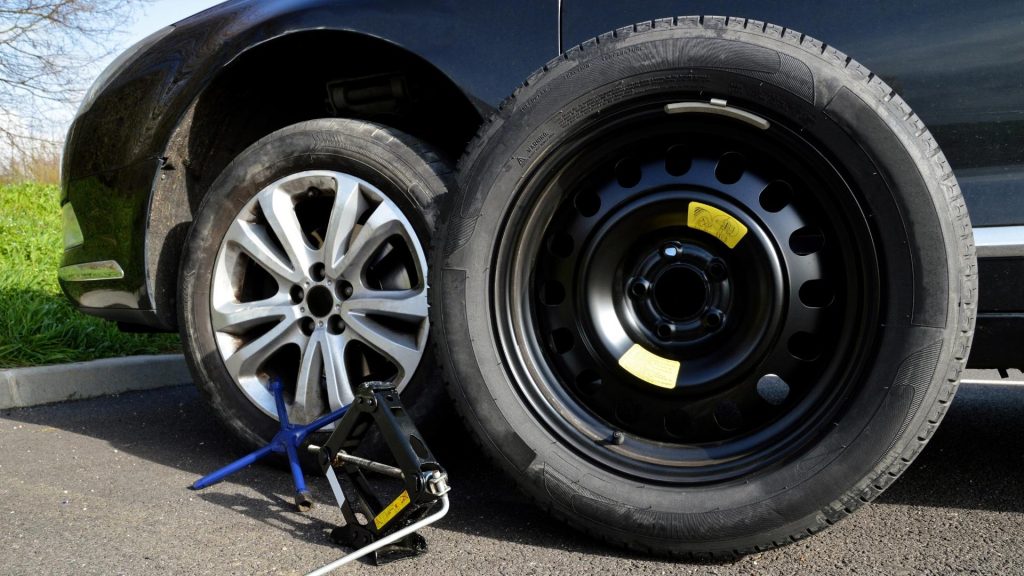
These images show the clear difference between a compact temporary (often called a “do nuts”) spare and a full-size one.
Types of Spare Tires
Not all spares are created equal. There are mainly two kinds you’ll encounter in modern vehicles.
Temporary (Compact/Do nuts) Spare Tires
These are the most common in newer cars. They’re smaller, narrower, and lighter than your regular tyres. The design saves space in your trunk and reduces vehicle weight for better fuel efficiency. Often nicknamed “doughnuts” because of their skinny appearance, they’re strictly for emergencies. According to Wikipedia’s entry on spare tyres, these limited-use spares (also called space-savers) are meant to cut costs and weight while getting you out of a bind temporarily.
Full-Size Spare Tires
These match the size and specs of your vehicle’s standard tyres. You’ll find them more often in trucks, SUVs, or older models where trunk space isn’t as tight. They handle like a normal tyre, offering better performance for longer drives.
Other Options
Some cars come with run-flat tires that let you drive a short distance even after a puncture—no spare needed. Or, newer vehicles might skip the spare altogether and include a tire repair kit instead.

How Far Can You Drive on a Spare Tire?
This is where things get specific, and it’s crucial to follow guidelines for safety.
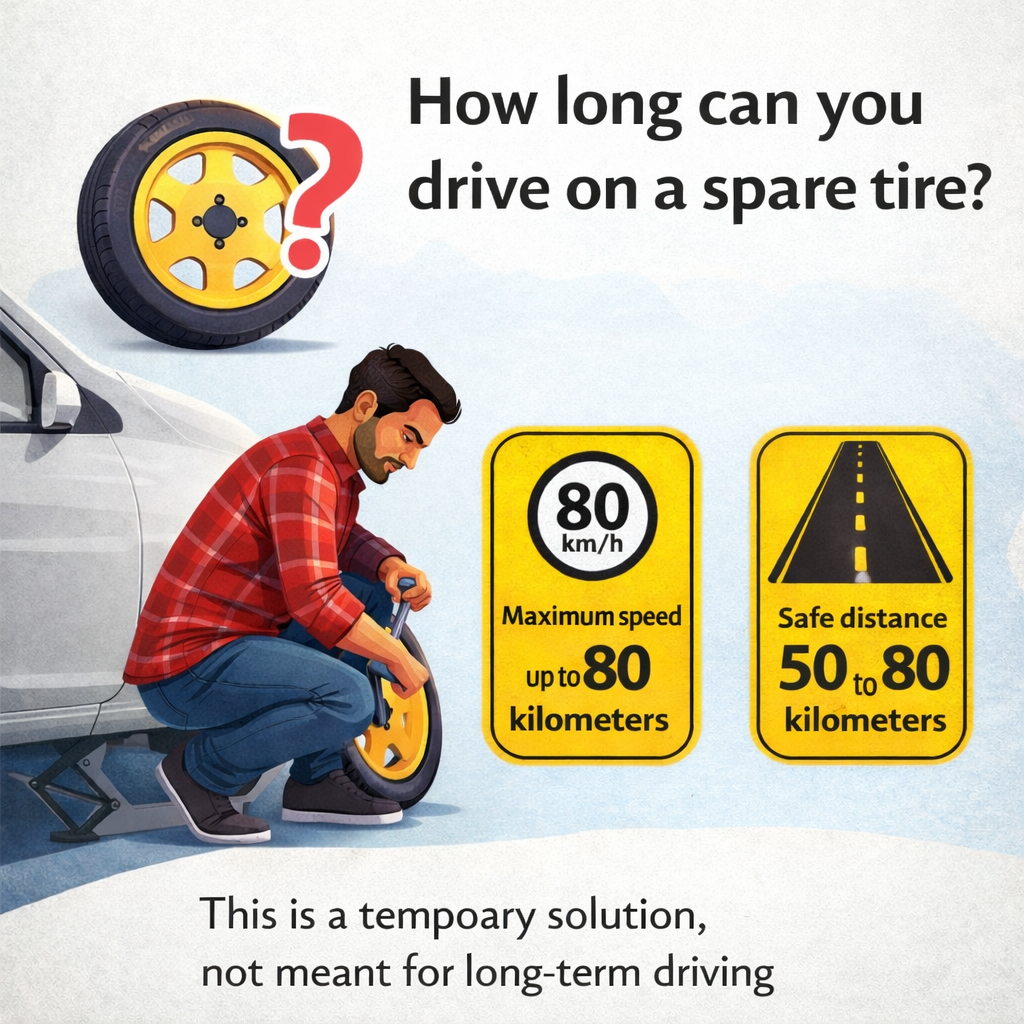
Temporary Do nuts Spares
Experts generally agree you shouldn’t go beyond 50 to 70 miles on these. Many manufacturers and tyre pros recommend sticking closer to 50 miles to avoid issues. The thinner tread and weaker build mean they’re not made for extended use—they can overheat or wear out quickly.
Full-Size Spares
With these, you can often drive much farther, even thousands of miles, if the tyre is in good shape. However, it’s still smart to replace the damaged one soon, especially if tread wear doesn’t match your other tires.
Always flip through your owner’s manual first—your vehicle might have exact recommendations tailored to it.
Notice the warning labels on many do nuts spares—they often highlight speed and distance limits right on the tire.
Speed Limits When Driving on a Spare Tire
Speed matters just as much as distance.
Temporary Spares
Keep it under 50 mph. Going faster stresses the tyre, reduces grip, and raises the chance of failure. Handling feels off because the smaller size affects your car’s balance.
Full-Size Spares
You can usually maintain normal speeds, but stay cautious and monitor how the car feels.
Exceeding these limits isn’t worth the risk—it could lead to poor control or sudden problems.
Risks of Driving Too Long on a Spare Tire
Pushing a spare beyond its limits isn’t just inconvenient; it can be dangerous.
For donuts, reduced traction means longer braking distances and worse handling, especially on wet or uneven roads. The extra spin from the smaller diameter strains your suspension, differential (particularly in all-wheel-drive cars), and even the transmission.
Over time, you risk a blowout, which is scary at any speed. In bad weather like rain or snow, grip drops even more, increasing skid chances.
Full-size spares are safer long-term, but mismatched tread can still wear components unevenly.
Overall, treating a spare as temporary protects your car and keeps everyone safer.
Safe Driving Tips on a Spare Tire
When you’re stuck with a spare, a few habits make a big difference.
Drive gently—avoid sharp turns, sudden stops, or high speeds. Stick to slower roads if you can, and skip highways when possible.
Check the pressure often; doughnuts usually need around 60 PSI, much higher than regular tyres.
Head straight to a shop for repair or replacement. Don’t delay, even if it feels okay.
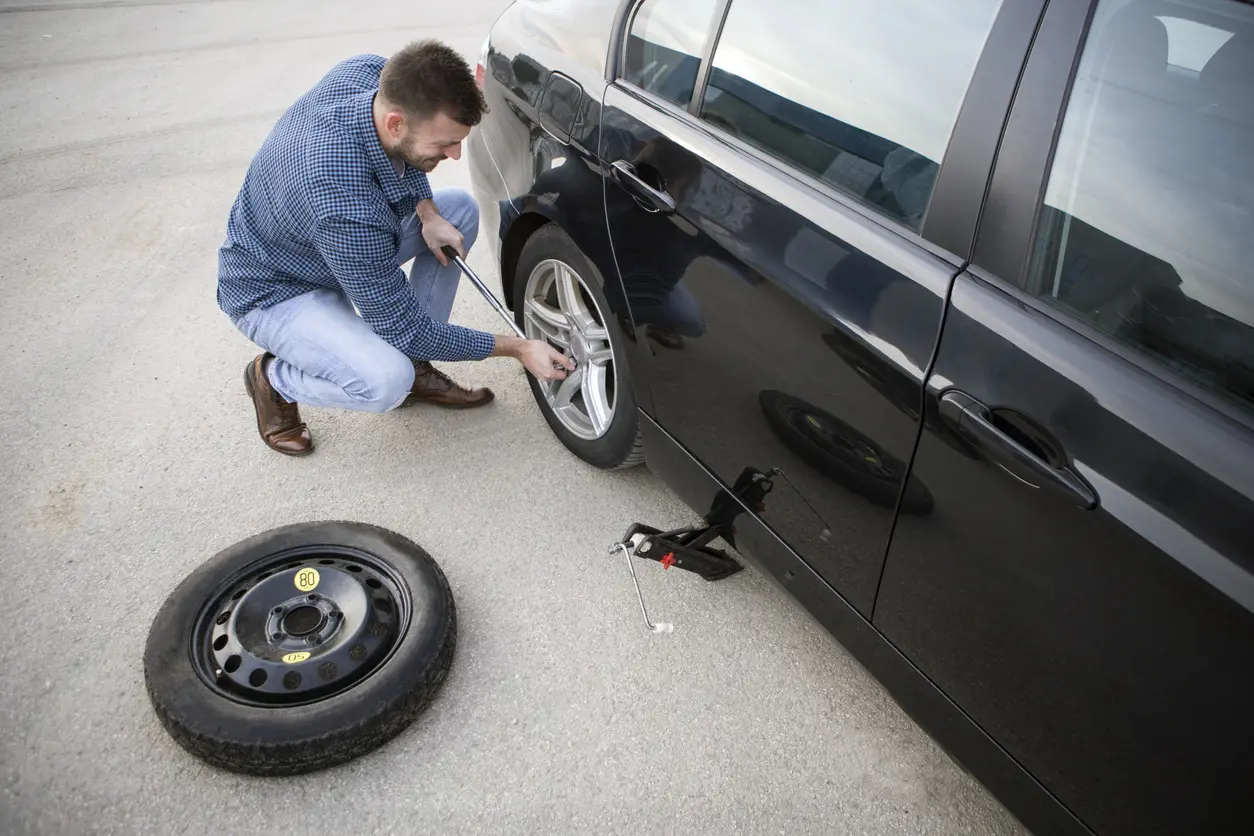
If you’re unsure about changing it yourself, watch this helpful step-by-step video: How to Change a Tire by Cars.com. It’s clear and shows the process safely.
Changing a tyre isn’t as daunting as it seems with the right steps.
Also, inspect your spare regularly if it’s stored away—age and dry rot can affect even unused tyres.

Conclusion
To wrap it up, how long can you drive on a spare tyre boils down to the type: 50-70 miles max (at 50 mph or less) for temporary doughnuts, and significantly longer for full-size ones. But no matter what, a spare is an emergency fix, not a permanent solution. Prioritise getting your regular tyre repaired or replaced to stay safe and avoid costly damage.
Next time you get a flat, stay calm, follow these tips, and you’ll be back to normal driving soon. Safe travels!