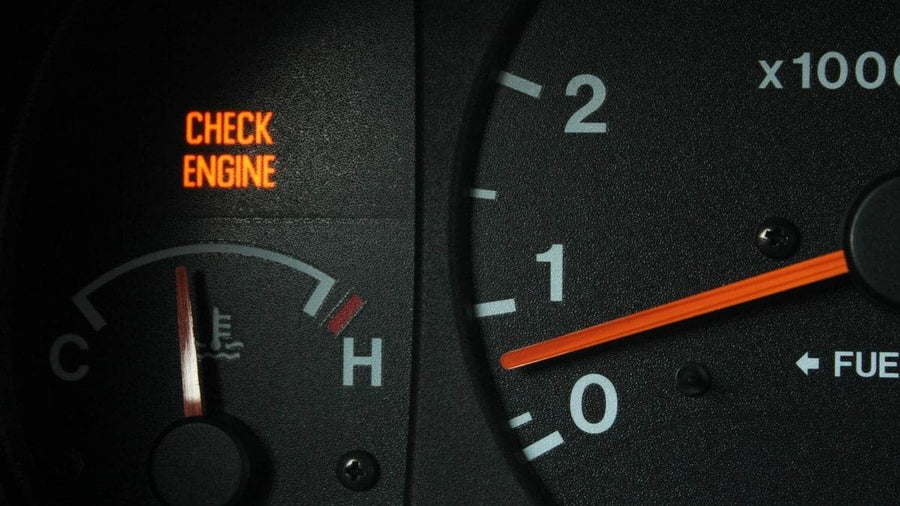
Seeing that little orange engine icon pop up on your dashboard can make anyone’s heart skip a beat. It’s officially called the malfunction indicator lamp (MIL), or more commonly the check engine light — a warning from your car’s computer that something in the engine management system isn’t quite right. It could be as harmless as a loose gas cap or as serious as a failing catalytic converter. Either way, ignoring it isn’t smart — it might lead to worse fuel economy, failed emissions tests, or even bigger repair bills down the road.
But here’s the thing: resetting the light without fixing the root cause is like taping over a smoke detector. It might go quiet for a bit, but the problem’s still there. In this guide, I’ll walk you through why the light comes on, the safest ways to reset it, and when you should just call a pro. Let’s get your ride back to normal.
Why Does the Check Engine Light Come On in the First Place?
Your car’s onboard diagnostics (BOD) system constantly monitors sensors, emissions, and engine performance. When it detects a fault, it stores a diagnostic trouble code (DC) and turns on the check engine light.
Common triggers include:
- A loose or faulty gas cap (seriously, this is one of the top reasons — it lets fuel vapours escape)
- Bad oxygen sensor (O sensor) messing up the air-fuel mix
- Worn spark plugs or ignition coils are causing misfires
- Failing catalytic converter
- Issues with the mass airflow sensor, ERG valve, or even a dying battery are affecting electrical systems
The light can stay steady for minor stuff (get it checked soon) or flash rapidly for big problems like a severe misfire — that’s when you pull over ASAP to avoid engine damage. Pro tip: Many auto parts stores read codes for free, so start there before panicking.
Important Safety Warning: Reset Only After Diagnosis
Before trying any reset, figure out what’s wrong. Resetting hides the symptom but doesn’t solve the issue — the light will usually return after a few drive cycles if the fault persists. For emissions tests or inspections, some states won’t pass you if monitors aren’t “ready” after a recent reset.
Always prioritise fixing the problem. If the light flashes or your car runs rough, smells funny, or loses power, head to a mechanic right away.
Method 1: The Smart Choice — Use an OB Scanner (Highly Recommended)
This is hands-down the best way in 2025. An OB scanner plugs into the port under your dash (usually near the steering column), reads codes, lets you note them, fixes the issue, and then clears everything safely.
Steps:
- Locate the OB port (16-pin connector).
- Plug in the scanner and turn the ignition to “ON” (engine off).
- Read the codes — write them down!
- Repair the problem.
- Go back to the menu and select “Clear Codes” or “Erase.”
- Start the car — the light should be gone.
Affordable options abound — budget scanners like the Empowerment MP69033 or Angel models work great for basic needs, while mid-range ones (around $100–$300) like Inova 5610 or Top don offer live data and more features.
For a visual walk-through, check out this helpful tutorial: How to Clear or Reset a Check Engine Light Using an OBD2 Scan Tool
Method 2: Quick & Free — Disconnect the Car Battery
No scanner? This old-school trick resets the ECU by cutting power.
Steps:
- Park safely, turn off the engine, and pop the hood.
- Wear gloves for safety.
- Loosen and remove the negative (-) battery terminal (black cable).
- Wait 15–30 minutes (some say up to an hour for a full reset).
- Reconnect tightly.
- Start the car — the light often clears.
Downsides: You might lose radio presets, clock, or seat memory. On newer cars, it doesn’t always work perfectly. Still, it’s free and fast
Method 3: Let It Reset Naturally — Complete a Drive Cycle
After repairs, many modern cars self-clear the light after “drive cycles” — a mix of city/highway driving to let sensors recheck everything.
Typical pattern:
- Drive at varying speeds (include highway cruising at 55+ mph).
- Include stops, idling, and acceleration.
- Cover 50–100 miles over a few days.
The light usually fades once monitors report “ready.” Perfect if you’re patient and the fix was minor (like tightening the gas cap).
Method 4: Simple Quick Fixes for Everyday Triggers
Sometimes it’s embarrassingly easy:
- Gas cap trick — Unscrew, reset firmly (hear clicks), or replace if cracked.
- Ignition cycle — Turn key to ON (don’t start) 3–5 times, then start — works on some models for temporary glitches.
These handle the most common causes without tools.
Method 5: When YID Isn’t Enough — Go Professional
If the light keeps returning, codes point to big issues (like a catalytic converter), or you’re not comfy under the hood, visit a mechanic or dealership. They have advanced tools, and the cost of a proper scan/reset is usually reasonable.
Frequently Asked Questions
Can I reset the check engine light without a scanner? Yes — try battery disconnect, drive cycles, or quick fixes like the gas cap.
How long to drive to reset the check engine light? Usually 50–100 miles over multiple trips for a full drive cycle.
Will disconnecting the battery damage my car? No, but it resets settings and may not work on all models.
Why does the check engine light come back after a reset? The underlying problem wasn’t fixed — codes return once the system re-detects it.
Does resetting affect the emissions test? Yes — monitors reset to “not ready,” so drive enough beforehand.
Wrapping it up, the check engine light isn’t there to annoy you — it’s a helpful heads-up. Diagnose first (free code reads help!), fix what’s broken, then reset using your favourite method. An affordable OB scanner is a game-changer for any Dyer — it’ll save you trips to the shop and give peace of mind.
Got the light sorted, but still curious? Grab a scanner and explore your car’s data. Your engine (and wallet) will thank you!
How to Reset Check Engine Light: 5 Safe & Effective Methods (2025 Guide)
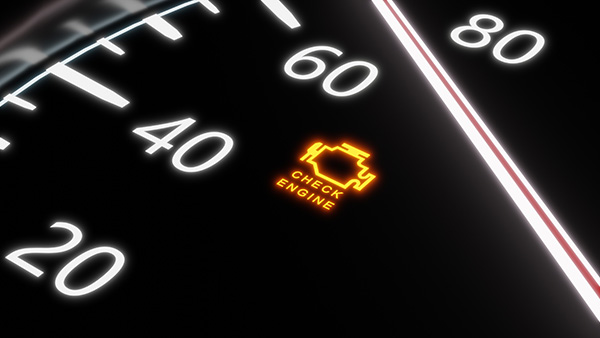
Seeing that little orange engine icon pop up on your dashboard can make anyone’s heart skip a beat. It’s officially called the malfunction indicator lamp (MIL), or more commonly the check engine light — a warning from your car’s computer that something in the engine management system isn’t quite right. It could be as harmless as a loose gas cap or as serious as a failing catalytic converter. Either way, ignoring it isn’t smart — it might lead to worse fuel economy, failed emissions tests, or even bigger repair bills down the road.
But here’s the thing: resetting the light without fixing the root cause is like taping over a smoke detector. It might go quiet for a bit, but the problem’s still there. In this guide, I’ll walk you through why the light comes on, the safest ways to reset it, and when you should just call a pro. Let’s get your ride back to normal.
Why Does the Check Engine Light Come On in the First Place?
Your car’s onboard diagnostics (BOD) system constantly monitors sensors, emissions, and engine performance. When it detects a fault, it stores a diagnostic trouble code (DC) and turns on the check engine light.
Common triggers include:
- A loose or faulty gas cap (seriously, this is one of the top reasons — it lets fuel vapours escape)
- Bad oxygen sensor (O sensor) messing up the air-fuel mix
- Worn spark plugs or ignition coils are causing misfires
- Failing catalytic converter
- Issues with the mass airflow sensor, ERG valve, or even a dying battery are affecting electrical systems
The light can stay steady for minor stuff (get it checked soon) or flash rapidly for big problems like a severe misfire — that’s when you pull over ASAP to avoid engine damage. Pro tip: Many auto parts stores read codes for free, so start there before panicking.
Important Safety Warning: Reset Only After Diagnosis
Before trying any reset, figure out what’s wrong. Resetting hides the symptom but doesn’t solve the issue — the light will usually return after a few drive cycles if the fault persists. For emissions tests or inspections, some states won’t pass you if monitors aren’t “ready” after a recent reset.
Always prioritise fixing the problem. If the light flashes or your car runs rough, smells funny, or loses power, head to a mechanic right away.
Method 1: The Smart Choice — Use an OB Scanner (Highly Recommended)
This is hands-down the best way in 2025. An OB scanner plugs into the port under your dash (usually near the steering column), reads codes, lets you note them, fixes the issue, and then clears everything safely.
Steps:
- Locate the OB port (16-pin connector).
- Plug in the scanner and turn the ignition to “ON” (engine off).
- Read the codes — write them down!
- Repair the problem.
- Go back to the menu and select “Clear Codes” or “Erase.”
- Start the car — the light should be gone.
Affordable options abound — budget scanners like the Empowerment MP69033 or Angel models work great for basic needs, while mid-range ones (around $100–$300) like Inova 5610 or Top don offer live data and more features.
For a visual walk-through, check out this helpful tutorial: How to Clear or Reset a Check Engine Light Using an OBD2 Scan Tool
Method 2: Quick & Free — Disconnect the Car Battery
No scanner? This old-school trick resets the ECU by cutting power.
Steps:
- Park safely, turn off the engine, and pop the hood.
- Wear gloves for safety.
- Loosen and remove the negative (-) battery terminal (black cable).
- Wait 15–30 minutes (some say up to an hour for a full reset).
- Reconnect tightly.
- Start the car — the light often clears.
Downsides: You might lose radio presets, clock, or seat memory. On newer cars, it doesn’t always work perfectly. Still, it’s free and fast.
Method 3: Let It Reset Naturally — Complete a Drive Cycle
After repairs, many modern cars self-clear the light after “drive cycles” — a mix of city/highway driving to let sensors recheck everything.
Typical pattern:
- Drive at varying speeds (include highway cruising at 55+ mph).
- Include stops, idling, and acceleration.
- Cover 50–100 miles over a few days.
The light usually fades once monitors report “ready.” Perfect if you’re patient and the fix was minor (like tightening the gas cap).
Method 4: Simple Quick Fixes for Everyday Triggers
Sometimes it’s embarrassingly easy:
- Gas cap trick — Unscrew, reset firmly (hear clicks), or replace if cracked.
- Ignition cycle — Turn key to ON (don’t start) 3–5 times, then start — works on some models for temporary glitches.
These handle the most common causes without tools.
Method 5: When DIY Isn’t Enough — Go Professional
If the light keeps returning, codes point to big issues (like a catalytic converter), or you’re not comfy under the hood, visit a mechanic or dealership. They have advanced tools, and the cost of a proper scan/reset is usually reasonable.
Frequently Asked Questions
Can I reset the check engine light without a scanner? Yes — try battery disconnect, drive cycles, or quick fixes like the gas cap.
How long to drive to reset the check engine light? Usually 50–100 miles over multiple trips for a full drive cycle.
Will disconnecting the battery damage my car? No, but it resets settings and may not work on all models.
Why does the check engine light come back after a reset? The underlying problem wasn’t fixed — codes return once the system re-detects it.
Does resetting affect the emissions test? Yes — monitors reset to “not ready,” so drive enough beforehand.
Wrapping it up, the check engine light isn’t there to annoy you — it’s a helpful heads-up. Diagnose first (free code reads help!), fix what’s broken, then reset using your favourite method. An affordable OB scanner is a game-changer for any Dyer — it’ll save you trips to the shop and give peace of mind.
Got the light sorted, but still curious? Grab a scanner and explore your car’s data. Your engine (and wallet) will thank you!