If you’ve got a throbbing toothache that won’t quit, your dentist might mention a root filling—better known as root canal treatment. The big worry for most people? Does a root filling hurt? Honestly, that’s the question I hear all the time from nervous patients. The good news is, in 2025, with all the advances in dentistry, a root filling usually doesn’t hurt much at all during the process. Thanks to strong local anaesthesia, it’s often more comfortable than getting a regular filling.
The real pain often comes from the infection beforehand, not the treatment itself. After the procedure, you might feel some mild soreness for a few days, but it’s totally manageable. Let’s dive deeper so you can go in feeling confident.
For a solid overview of what root canal therapy involves, check out the Wikipedia page on root canals.
Does a Root Filling Hurt During the Procedure?
Straight up—no, a root filling typically does not hurt while it’s happening. Your dentist or endodontist will numb the area completely with local anaesthesia. Most folks say they feel pressure or weird vibrations, but no sharp pain. It’s kinda like having a cavity filled, but a bit longer.
In rare cases, if there’s a bad infection, it might take extra numbing shots, but dentists are pros at handling that. Sedation options are available too if you’re super anxious.

These photos show what it’s like in the chair—relaxed patients under careful treatment.
Why Do People Think Root Fillings Hurt?
The bad rap comes from way back, before modern anaesthesia was as good as it is now. Decades ago, root canal therapy could be uncomfortable. Plus, people mix up the intense pain from an abscess or infected pulp with the procedure meant to fix it.
Horror stories spread online or from older generations, but today’s reality is different. Studies show most patients rate the discomfort low, and many even fall asleep during it!
What Happens During a Root Filling Procedure?
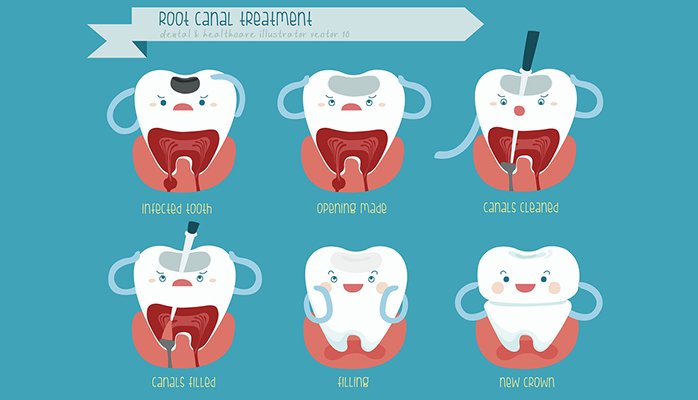
Wondering about the steps in root canal treatment? It’s a straightforward process to save your natural tooth:
- First, X-rays to spot the issue.
- Anesthesia to numb everything up.
- A rubber dam isolates the tooth.
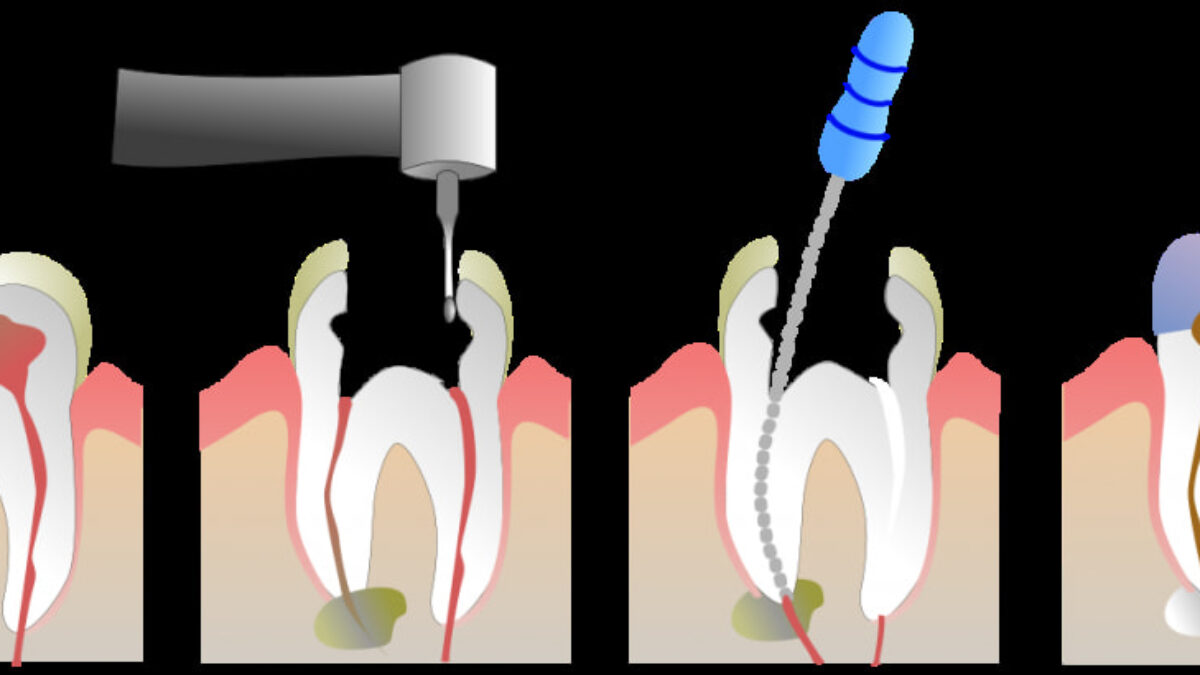
- The dentist drills an access opening.
- They remove the infected or damaged pulp.
- Canals are cleaned, shaped, and disinfected.
- The space gets filled with a material like gutta-percha—that’s the actual root filling.
- Finally, a temporary filling or crown seals it.
It usually takes 60 to 90 minutes, sometimes split into two visits for complex cases.
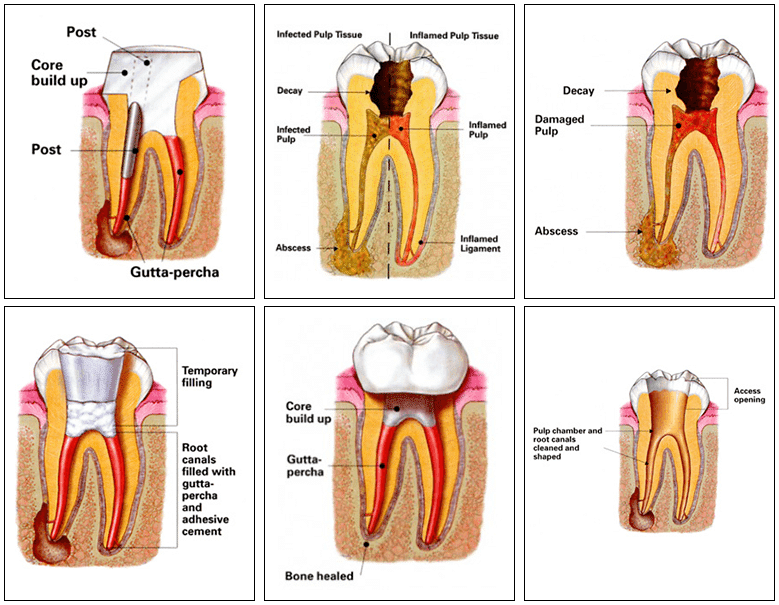
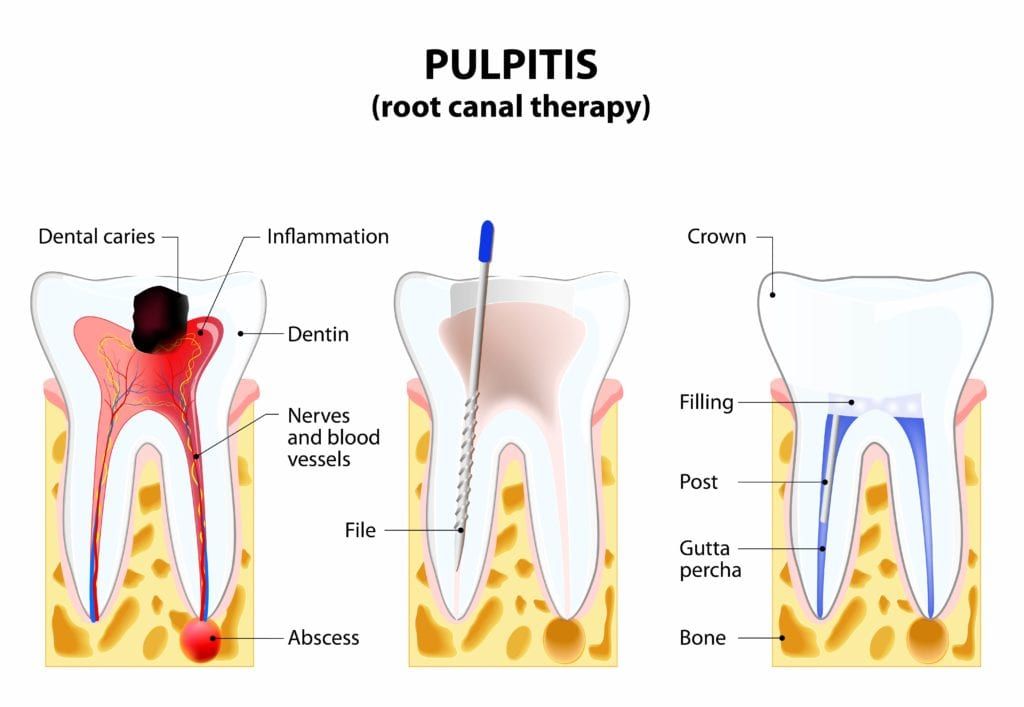
These diagrams break down the root canal procedure visually—super helpful for understanding.
To see it animated and explained clearly, watch this video: Root Canal Treatment Step by Step by the American Association of Endodontists.
Before treatment, X-rays often reveal the infection causing all that pre-procedure pain.
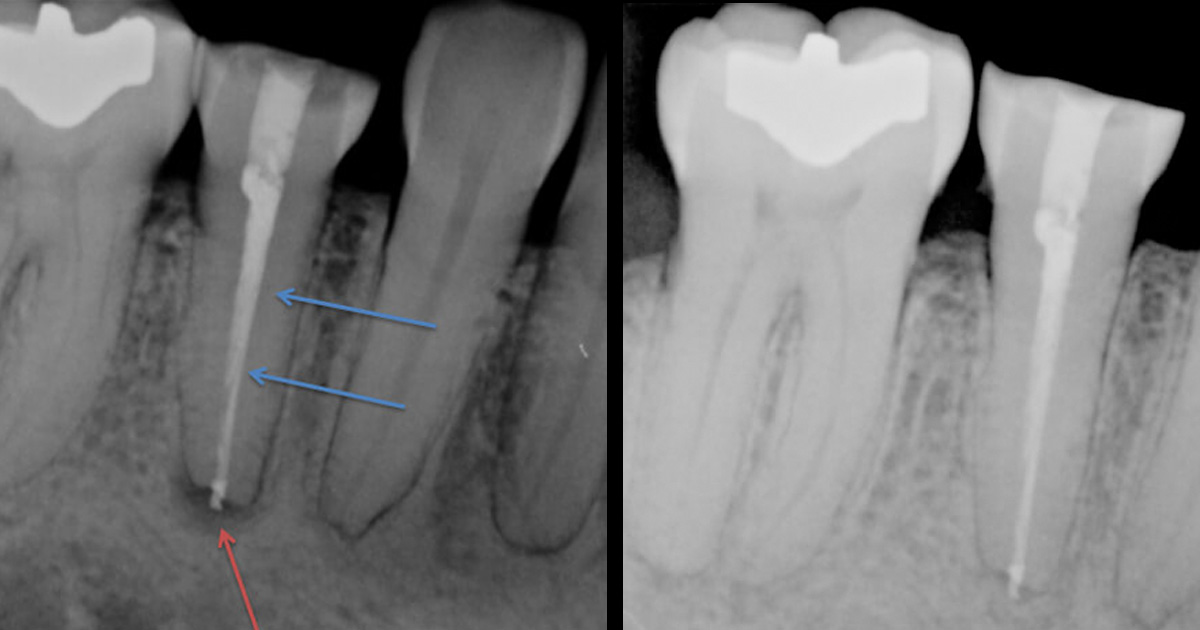
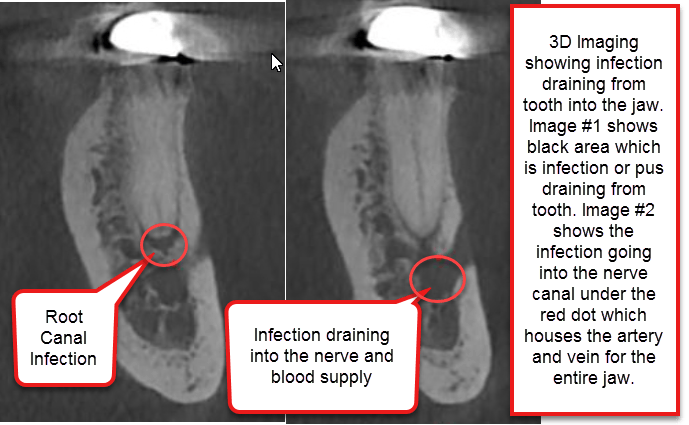
Pain and Discomfort After a Root Filling
Post-treatment, some mild discomfort is normal as the area heals. You might have soreness when biting, sensitivity, or slight swelling for 2 to 7 days. It’s usually low on the pain scale—like a dull ache—and ibuprofen handles it fine.
This happens because the tissues around the tooth are inflamed from the prior infection or the cleaning process. Severe pain is uncommon and could signal something needing a check-up.
Illustrations like these show typical post-root canal reactions.
How to Manage Pain After Root Canal Treatment
Easing any after-effects is simple:
- Take over-the-counter pain relievers as recommended.
- Apply ice packs to reduce swelling.
- Eat soft foods and avoid chewing on that side initially.
- Rinse gently with warm salt water.
- Prop your head up when sleeping to lessen throbbing.
- Skip very hot or cold foods/drinks at first.
Most people feel back to normal quickly.
Factors That Affect Pain Levels in Root Canal Therapy
Not everyone’s experience is identical. Things like:
- How severe the infection was.
- Which tooth (molars can be trickier to numb).
- Your overall anxiety level—relaxed patients report less sensation.
- The dentist’s experience and tools used (modern rotary instruments make it gentler).
Sedation helps if nerves are a factor.
When Is a Root Filling Necessary?
You’ll likely need endodontic treatment if there’s deep decay, a crack, or trauma leading to pulp infection. Signs include lingering pain from hot/cold, swelling, or a pimple on the gum.
It’s way better than pulling the tooth—keeps your smile natural and functional.
Conclusion
So, back to the main question: does a root filling hurt? In most cases, no discomfort during the procedure, and only mild, short-lived discomfort afterwards. Root canal therapy relieves the real agony from infection and saves your tooth.
If you’re putting off treatment because of fear, talk to your dentist—they can walk you through options to make it easy. Getting it done sooner often means less hassle overall.
FAQ
Does a root filling hurt more than an extraction? Usually not—extractions can involve more post-op swelling.
How long does pain last after a root canal? Typically, 2-7 days, mild and fading.
Is root canal treatment painful without anesthesia? It would be, but anesthesia is always used.
Can I drive home after a root filling? Yes, unless you opt for sedation.
Why does my tooth hurt worse before the root canal? That’s the infection; treatment fixes it.